Thinking about offering your Brooklyn condo or townhouse as a furnished monthly rental? With New York City’s rules changing how short stays work, you want a strategy that is legal, in demand, and practical to run. This guide explains why 30+ day rentals are winning in Brooklyn right now, who books them, where they work best, and what to watch before you list. Let’s dive in.
The 30-day rule, clearly explained
New York City’s Short-Term Rental Registration Law (Local Law 18) restricts whole-unit stays under 30 days unless the unit qualifies and the host follows strict rules. Platforms are barred from processing illegal short stays, and enforcement is active. You can review the city’s guidance on the short‑term rental registration law.
Under New York State law, a “permanent residence” means occupancy by the same person or family for thirty consecutive days or more. That 30‑day threshold separates hotel-style stays from residential use. See the definition in the Multiple Dwelling Law §4.
Taxes are separate from registration. New York’s tax rules treat short stays differently, and exemptions for “permanent residents” generally occur at longer thresholds. The state discusses rules and examples in its hotel and motel occupancy tax bulletin.
What changed in Brooklyn’s supply
After Local Law 18 enforcement began, sub‑30‑day listings fell sharply across NYC. Analysts recorded steep declines and a pivot toward 30+ night minimums as hosts adapted. Read a summary of the shift in AirDNA’s post‑enforcement analysis.
In practical terms, more furnished apartments in Brooklyn now target month‑to‑month renters. This created a more standard 30+ day product and more competition among operators, while nightly options decreased.
Who books 30+ day rentals
Healthcare professionals
Travel nurses and allied health staff often take 4–13 week assignments and need turnkey, furnished housing near hospitals. Specialized marketplaces serve this niche, which is active in Brooklyn’s hospital corridors. Explore the travel‑health segment at TravelNurseHousing.
Corporate relocations and remote workers
Employees on projects or relocations often prefer furnished monthlies over hotels or year‑long leases. PropTech operators have scaled around this segment, and investor interest has followed. A recent funding round highlights growth plans in the 30+ market for a leading operator, noted here: capital backing for 30+ furnished rentals.
Students and academic visitors
Visiting scholars, interns, and grad students frequently book month‑plus stays tied to academic calendars. Flexible furnished options align with semester and research timelines.
Production crews and project teams
Film and TV production, construction, and other project‑based teams create pockets of month‑plus demand near studios and major job sites. This activity is cyclical but meaningful to the city’s economy.
Longer trips vs hotel prices
As nightly supply tightened, many long‑stay visitors compared monthly apartments with hotel rates. Reporting noted higher hotel pricing after enforcement, which made 30+ furnished apartments more attractive for extended trips. See context in Reuters’ coverage.
Where 30+ rentals work best
You’ll see strong interest near hospital clusters and major employers, as well as by key transit hubs that simplify commutes to Manhattan and across the boroughs. Downtown Brooklyn, Williamsburg, and Greenpoint offer connectivity that month‑to‑month renters value.
Neighborhoods with growing serviced‑apartment stock, including pockets of Downtown Brooklyn, Williamsburg, Gowanus, and DUMBO, often command premium pricing for turnkey setups. Brooklyn asking rents remain in the high thousands on average, with variation by area and month; see current levels in RentCafe’s Brooklyn trend tracker.
Why owners and investors like 30+
- Regulatory clarity: Setting a 30+ night minimum steers your offering outside NYC’s short‑term registration regime for whole‑unit stays. Review city rules here: Local Law 18 overview.
- Lower turnover, steadier calendars: Month‑plus bookings reduce cleanings and guest churn compared with nightly stays, while keeping more flexibility than a traditional 12‑month lease.
- Willingness to pay for turnkey: Corporate and healthcare demand often values furnished, utilities‑included apartments that are move‑in ready. Investor interest in this segment is visible in recent funding for 30+ operators.
Risks, compliance, and operations checklist
- Confirm building and unit status: Rent‑regulated and certain building types cannot be converted to hotel‑style uses. Check city guidance and the prohibited buildings context on the OSE registration page.
- Know your taxes: 30+ nights does not automatically mean tax‑exempt. Review state guidance and consult your advisor using the NYS occupancy tax bulletin.
- Insurance and agreements: Standard policies may not cover furnished, short‑term use. Confirm coverage and use clear month‑to‑month or corporate housing agreements that spell out utilities, cleaning, deposits, and responsibilities.
- Furnishing and service standards: Budget for quality furnishings, reliable Wi‑Fi, professional cleaning, and responsive maintenance. Turnkey experiences drive reviews and repeat corporate demand.
- Documentation for sellers: If you plan to sell, retain records showing legal compliance and stable occupancy. A transparent history can appeal to buyers who value a proven 30+ model.
Pricing and positioning tips
- Set a minimum of 30 nights to align with the legal framework.
- Offer utilities‑included pricing with clear caps and fast Wi‑Fi.
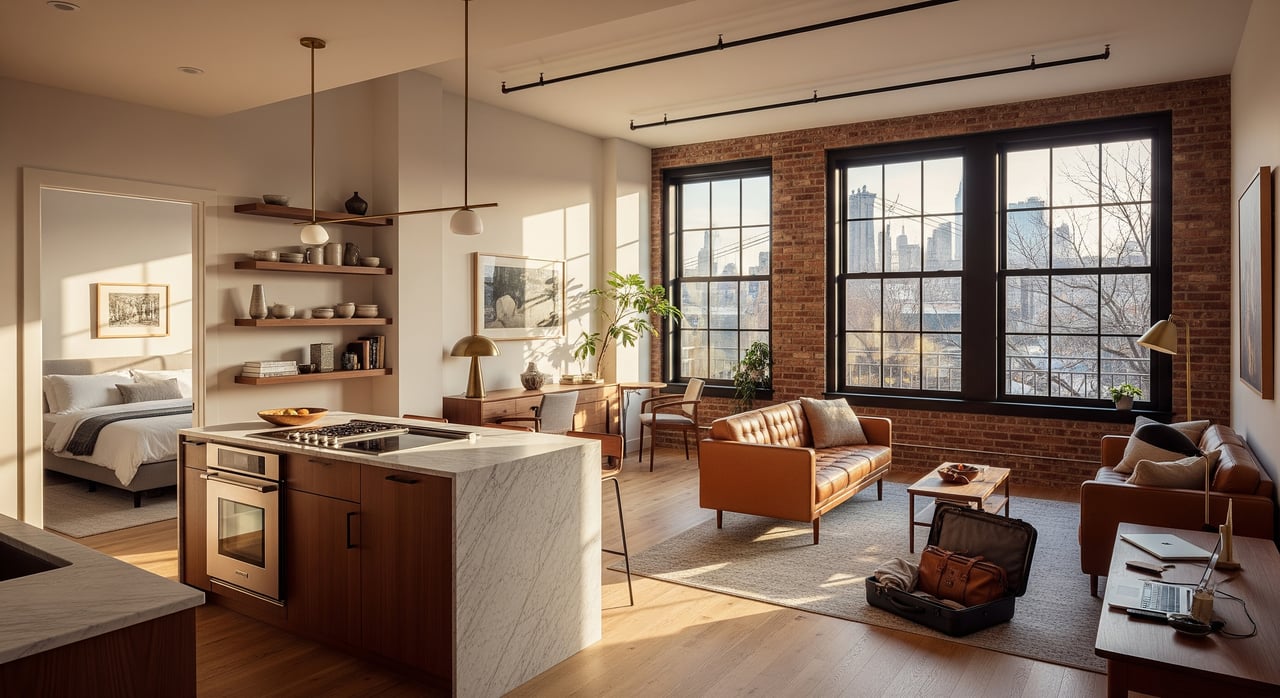
- Stage and photograph the space professionally to highlight livability and work zones.
- Emphasize proximity to transit, hospitals, and major job hubs.
- Provide flexible extensions, cleaning options, and clear house rules.
Bottom line
In Brooklyn today, 30+ day rentals win because they fit NYC’s legal framework, match how visitors and project teams actually travel, and create a predictable, premium product. With the right setup, you can meet real demand while protecting your risk and time. If you want a data‑informed plan for your condo, co‑op, or townhouse, reach out to Gina Sabio for tailored guidance.
FAQs
What makes a 30+ day rental legal in NYC?
- NYC ties short‑term restrictions to stays under 30 days, while state law defines 30+ days as “permanent residence,” placing month‑plus stays outside the city’s short‑term registration regime.
Do I owe hotel or sales tax on 30+ day stays?
- Not always; New York uses separate thresholds for “permanent resident” tax treatment, so review the state’s guidance and consult a tax advisor to determine what applies to your bookings.
How did Local Law 18 change Brooklyn’s short stays?
- Enforcement drove a steep decline in sub‑30‑day listings citywide and pushed many hosts to set 30+ night minimums, reshaping supply toward furnished monthlies.
Who typically books month‑plus rentals in Brooklyn?
- Travel healthcare staff, corporate relocations and remote workers, students and scholars, and production or project teams commonly book 30+ day furnished homes.
Which Brooklyn areas suit 30+ furnished stays?
- Areas near hospitals, major employers, and transit hubs such as Downtown Brooklyn, Williamsburg, and Greenpoint often see consistent month‑to‑month demand.
Can a 30+ rental track record help when selling?
- Yes; documented, compliant month‑to‑month income can appeal to certain investors, especially when you provide clear records and align with city rules.