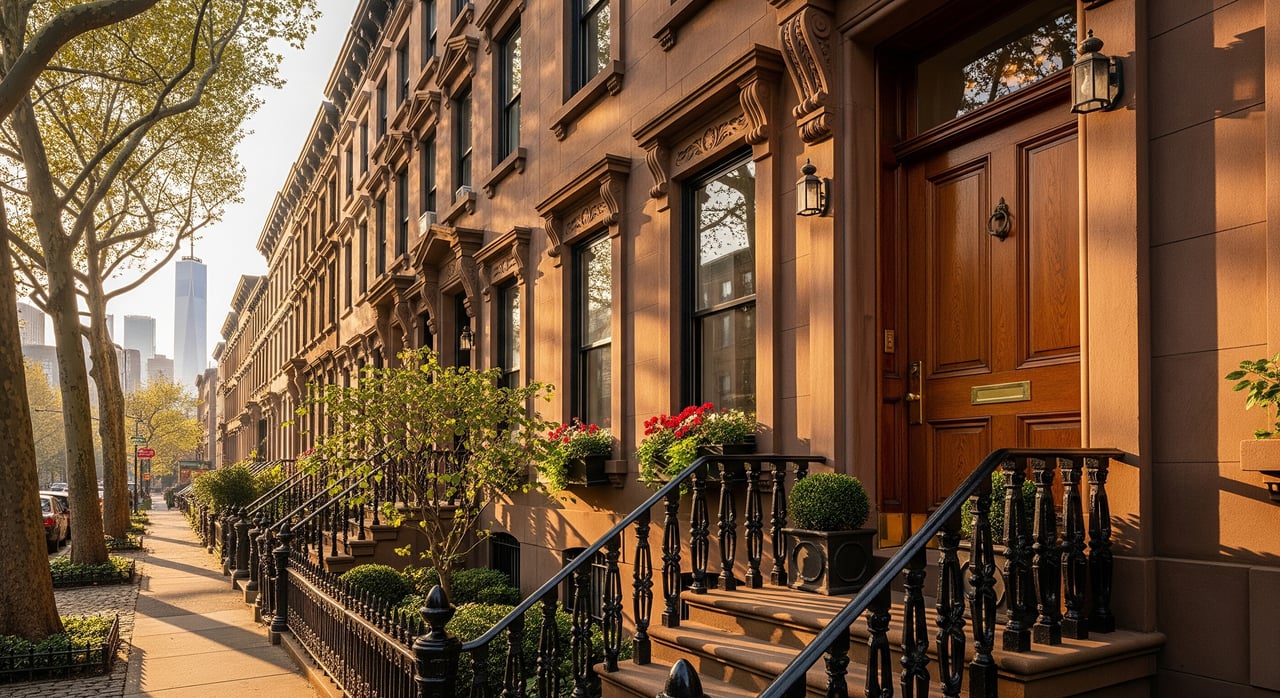
Picture your morning starting on a quiet stoop, coffee in hand, watching the light slide across carved lintels and tree canopies. If you’ve ever wondered what life feels like inside those iconic Brooklyn rowhouses, you’re not alone. Brownstones can be both romantic and practical, and knowing the difference is key. In this guide, you’ll learn how these homes are organized, what daily life is really like, and what to check when you tour. Let’s dive in.
What a Brooklyn brownstone is
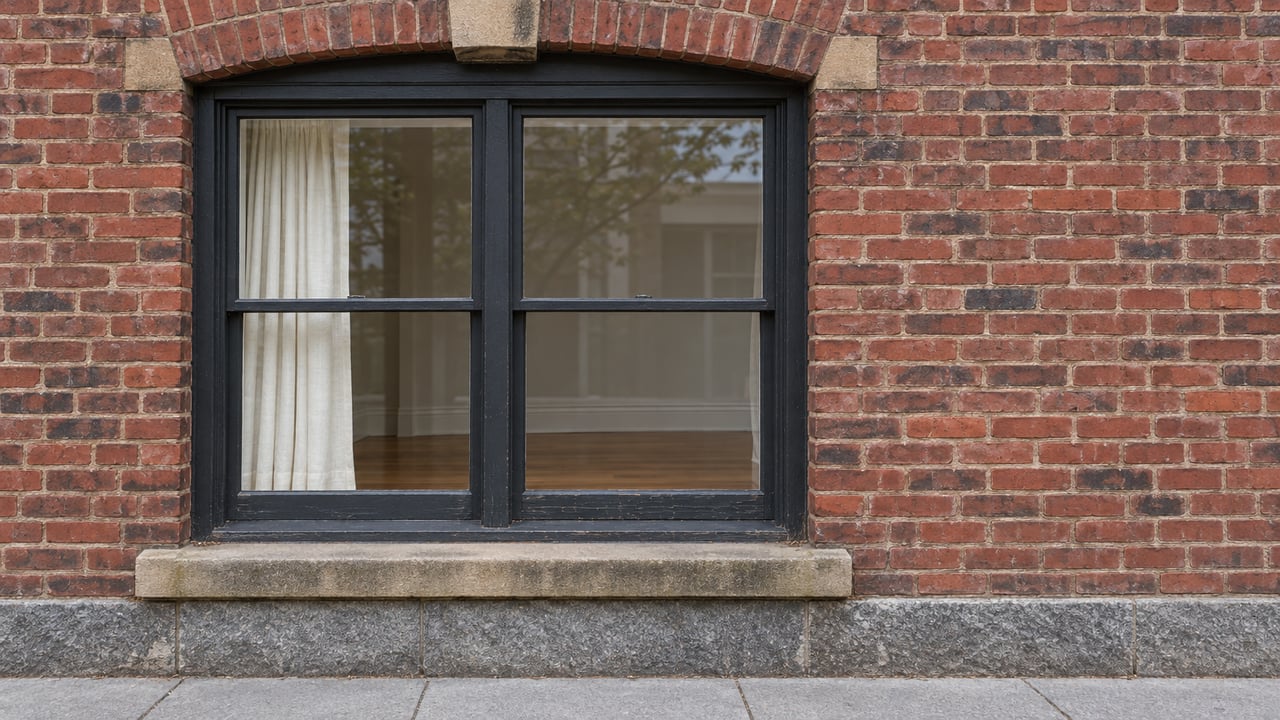
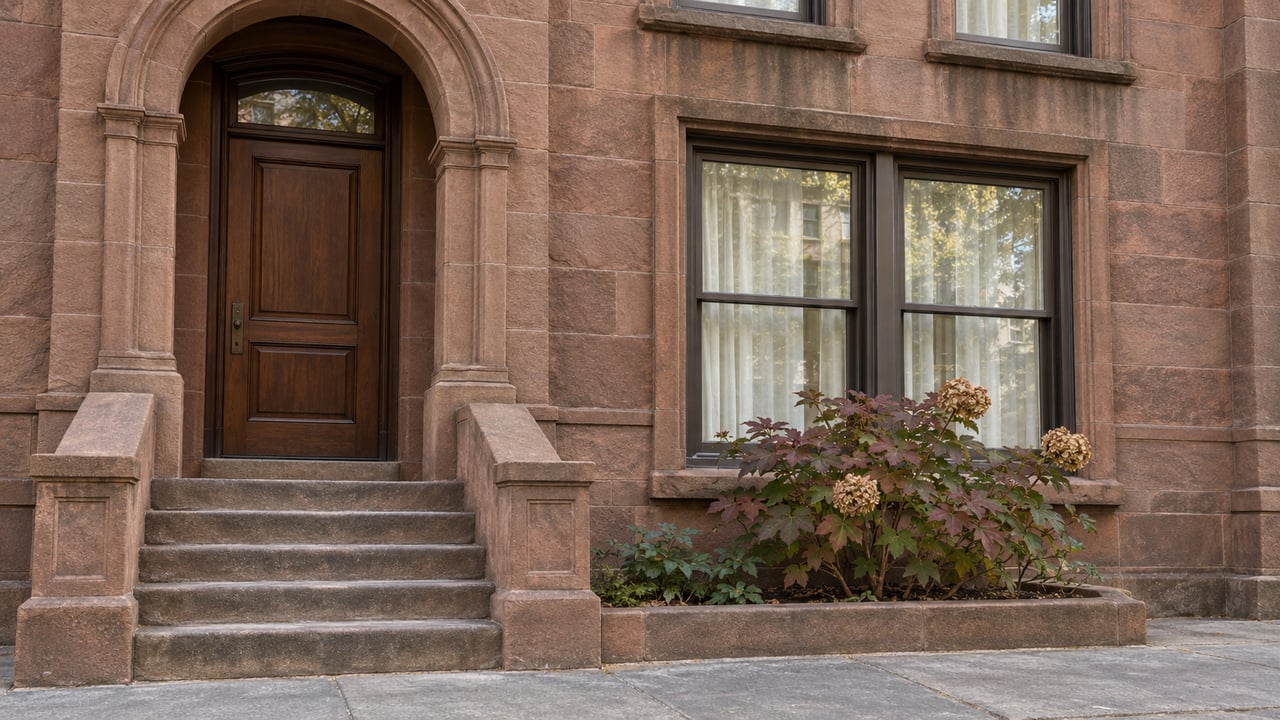
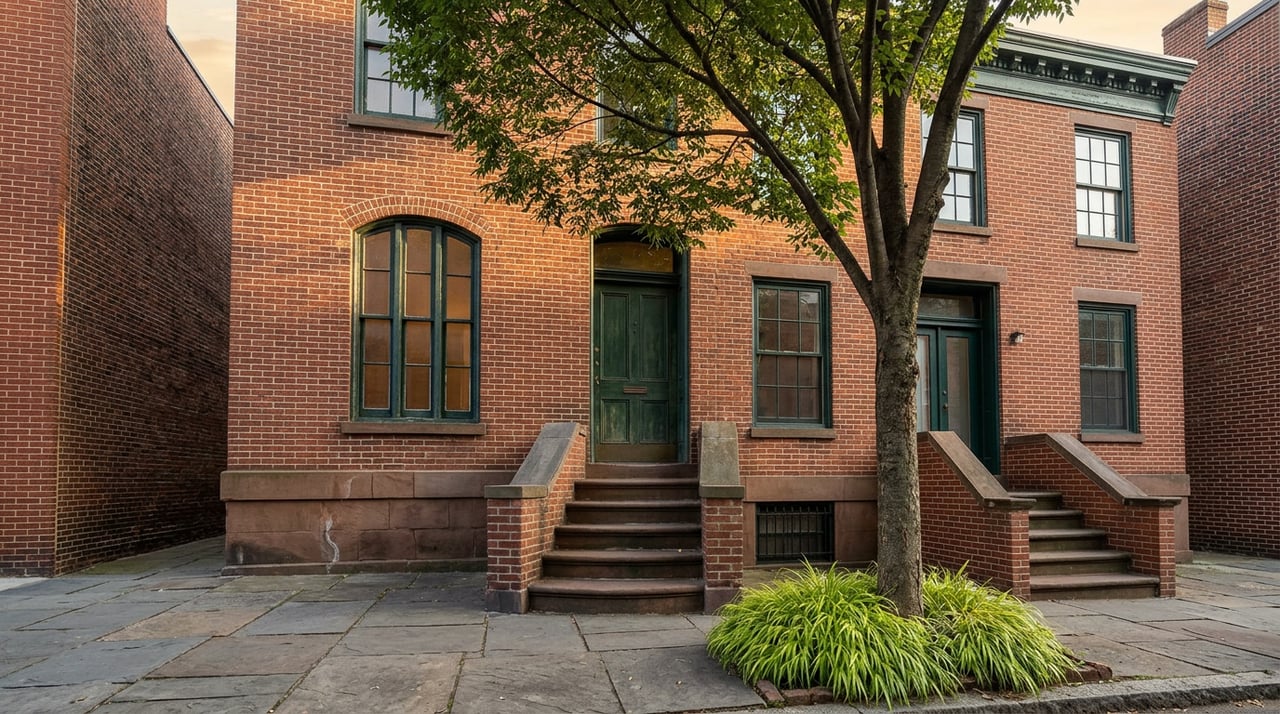
A brownstone is a masonry rowhouse, typically from the mid-19th to early-20th century, with a brown sandstone facade and a signature stoop. Many were built as single-family homes, though a large number became multi-family over time. You’ll find them across Brooklyn, especially in landmarked districts where original details are protected.
Inside, the floors stack vertically:
- Garden or below-parlor level for utilities, storage, laundry, and a door to the back yard.
- Parlor level with tall ceilings and large windows. This is often the main living, dining, and entertaining space today.
- Upper floors with bedrooms and baths. Many homes run 2 to 4 full stories above the parlor.
- Roofs may be finished or support a terrace where permitted.
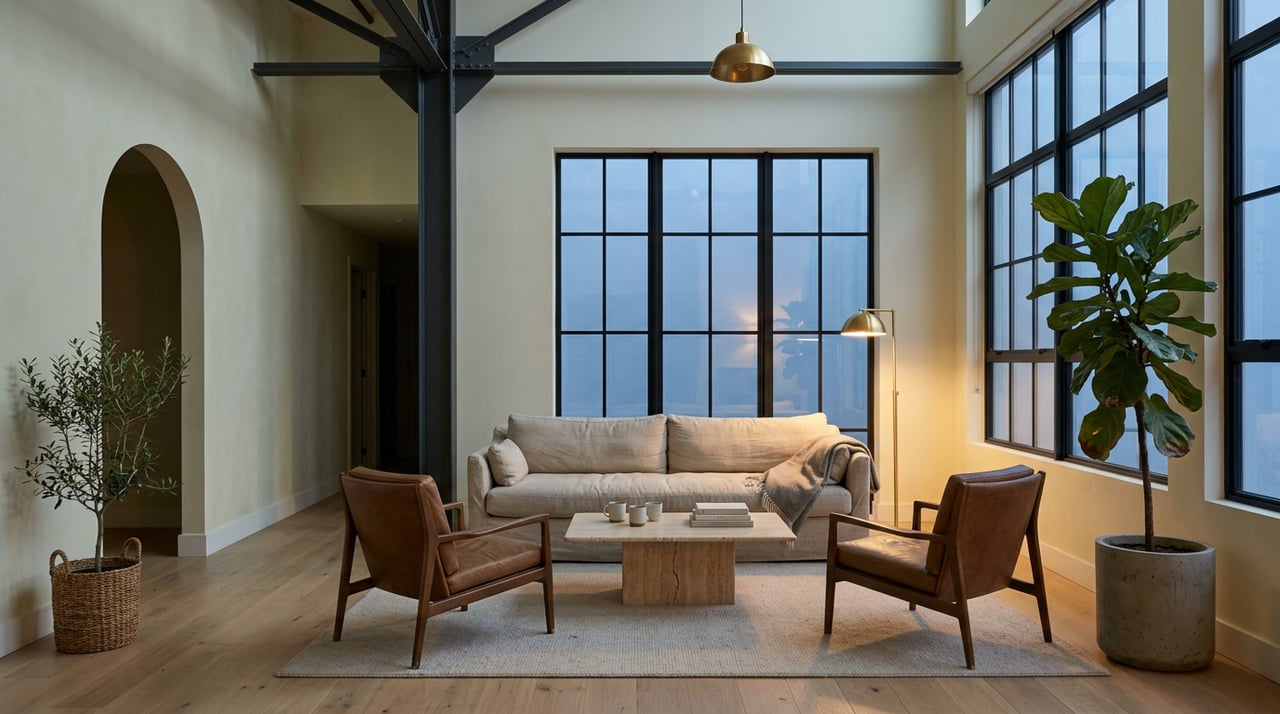
Expect tall windows, ornate moldings, mantels, plaster cornices, and long, narrow rooms. Original layouts often had smaller kitchens, but many modern renovations open the parlor into a combined kitchen, dining, and living area for better flow.
Neighborhood character and variations
Not all brownstones feel the same. In Brooklyn Heights and Park Slope, many were architect-designed with rich ornament and sit within landmark districts that guide exterior changes. In Bed-Stuy, you’ll see a wider range, from well-preserved homes to larger multi-family walk-ups and subdivided interiors. The age and prior use of the building shape everything from room sizes to stair configurations.
How the space actually lives
The brownstone lifestyle is vertical. You move through tall, connected rooms, then up or down to reach bedrooms, storage, or the yard. The parlor’s high ceilings create volume that feels larger than the square footage suggests. Narrow widths, often around 16 to 22 feet, mean rooms tend to be long and rectangular rather than wide and open.
Light and views
Light quality depends on orientation, tree canopy, and neighboring buildings. Parlor windows can flood rooms with daylight, while rear rooms often feel quieter and brighter if they face a garden. Middle rooms may be dim without skylights, light wells, or interior glass doors. When you tour, check the light at different times of day.
Vertical flow and furnishings
The layout rewards thoughtful furniture choices. Long sofas can fit along a wall, dining tables run lengthwise, and sideboards tuck into niches. High ceilings add drama and allow for statement lighting. The flow across an open parlor is great for gatherings, while upper floors provide privacy and separation for work or sleep.
Stairs and everyday routines
Stairs are part of life here. Most properties do not have elevators, so groceries, strollers, and laundry move by hand. Many households prefer a kitchen and living area on the parlor level to minimize trips. Garden levels often hold laundry, storage, and kid or guest spaces, with easy access to the yard and trash area. Heating is commonly via radiators, while cooling can be window units or ductless mini-splits in updated homes.
Outdoor spaces you will actually use
Rear gardens are intimate urban yards. You can set up a grill where allowed, a small table, and seasonal planters. Stoops and sidewalks act as semi-public porches for quick chats and people-watching. Roof decks are coveted, but adding one can require permits, structural work, and in landmark districts, approvals.
The neighborhood rhythm
On brownstone blocks, you feel the street’s cadence. Mornings bring dog walkers, coffee runs, and commutes to nearby subways. Midday brings delivery cyclists and school pick-ups. Evenings and weekends often shift to relaxed stoop time, back-garden dinners, and block events. You’re usually near parks that shape your routine. From Park Slope, it is an easy walk to Prospect Park for a run or a picnic. In Brooklyn Heights, tree-lined streets lead to the waterfront and green spaces. Quiet residential blocks often sit close to lively commercial corridors with cafés, markets, and boutique shops.
Tradeoffs to weigh
Brownstones deliver charm and character, but they come with practical considerations. Keep these in mind:
- Architecture and detail versus maintenance. Historic elements need care, from brownstone facades to plaster work and wood mantels.
- Vertical living versus convenience. Stairs add daily physicality. Plan how you’ll move laundry, groceries, and strollers.
- Light and privacy versus proximity. Front rooms can pick up street noise. Shared walls in multi-family conversions can carry sound.
- Vintage construction versus modern comfort. Original layouts may have smaller kitchens and fewer closets unless renovated.
Ownership and layout types you’ll see
- Townhouse ownership: Fee simple ownership of the entire building and lot gives you control but also full responsibility for upkeep.
- Condo or co-op conversions: Many brownstones were legally divided into units. In these, rules, financing, and resale timelines vary. Co-ops add a board approval process.
- Multi-family properties: Two to four units are common. If you plan to rent, understand local rental regulations and building systems.
The interior condition can vary widely depending on past renovations. Some homes retain original details with updated kitchens and baths. Others need comprehensive system upgrades to electrical, plumbing, or HVAC. In multi-family settings, consider sound transfer between floors and party walls.
Renovations, permits, and landmark rules
If the property sits in a historic district, exterior work like facade repairs, windows, stoops, and rooflines often requires review. Many interior alterations also need permits, especially if you change egress, plumbing, or structural elements. Plan for longer timelines and specialist contractors who understand local regulations. When you tour, ask for records of past renovations and certificates of occupancy.
What to look for on a tour
Use this quick checklist to focus your visit:
- Layout and flow: Which floor will you use most day to day? Does the parlor floor connect well to the kitchen?
- Light and orientation: Compare front and rear exposures at different times of day.
- Stairs: Count flights. Check the width, tread depth, and handrails.
- Ceilings and detail: Note ceiling heights and the condition of moldings, mantels, and plaster.
- Mechanicals: Ask about the boiler age, water heater, electrical panel capacity, and any HVAC upgrades.
- Waterproofing and damp: Look for musty odors, efflorescence on foundation walls, or dehumidifiers and sump pumps.
- Basement status: If marketed as living space, confirm legal egress and ceiling heights.
- Sound: Pause to listen. Check party walls and between-floor noise.
- Exterior and facade: Look for cracking or spalling and ask about recent work.
- Outdoor access: Confirm yard size, roof access, and any rights of use.
- Permits and CO: Request DOB filings, LPC permits for exterior work, and certificates of occupancy.
- Pest history: Ask for any records of treatment and ongoing service.
Is brownstone living right for you?
Choose a brownstone if you love historic detail, volume, and the feel of connected rooms. The stoop becomes a seasonal extension of your living room. A small garden adds breathing room without the commitment of a full yard. If you work from home, the upper floors can create clear boundaries between focused work and active living.
If stairs are a concern, look for homes where the main living spaces are on the parlor or garden level. If you want low-maintenance living, consider a condo or co-op unit within a brownstone rather than a full townhouse. If you plan to renovate, budget time and funds for permits and the surprises older buildings can bring. A thoughtful approach aligns the charm you want with the functionality you need.
Comparing key neighborhoods at a glance
- Park Slope: Landmark blocks with ornate facades, access to Prospect Park, and a strong mix of local shops along nearby avenues. Many renovated single-family and two-family homes.
- Brooklyn Heights: Grand, historic streetscapes with architect-designed townhouses and proximity to the waterfront. Exterior changes often follow strict preservation guidelines.
- Bedford–Stuyvesant: A wide variety of sizes and interior conditions, from lovingly preserved houses to larger multi-family properties and subdivided walk-ups.
Each area offers a different blend of scale, layout, and renovation status. Walk the blocks at different times to get a feel for street life, light, and transit access.
Smart next steps
- Define your layout priorities. Decide which floor should hold the kitchen and living areas, and how many bedrooms you need upstairs.
- Analyze your tolerance for stairs. Plan realistic daily flows, including laundry and groceries.
- Set a renovation stance. Do you want turnkey, light updates, or a full project? Align your search and budget to your answer.
- Vet building systems. Prioritize properties with documented upgrades or price-in known improvements.
- Check the regulatory layer. If the property is landmarked, plan for review timelines and specialized contractors.
Ready to explore?
If brownstone living is calling, you deserve an advisor who blends market knowledge with a calm, strategic approach. With two decades of experience across Manhattan and selected Brooklyn townhouses, condos, and co-ops, Gina brings the polished guidance and discretion you expect. To discuss your goals and map the right path, connect with Gina Sabio.
FAQs
How bright is a typical Brooklyn brownstone?
- Light depends on orientation, tree cover, and adjacent buildings. Front and rear rooms often get the best daylight, while middle rooms can be dim without skylights or interior glass.
Are brownstones hard to maintain compared to newer homes?
- They can require more upkeep due to aging masonry, roofs, and historic finishes. Plan for careful inspections and a maintenance budget.
Do most brownstones have elevators or accessible layouts?
- Most do not have elevators. If accessibility matters, consider parlor or garden-level living or explore whether an elevator is feasible within local codes.
Can I renovate the exterior of a landmarked brownstone?
- Interior work is often possible with permits, but exterior changes in historic districts typically need additional approvals. Expect longer timelines and specialist contractors.
Are brownstones good for families with young children?
- Many families enjoy the backyard and separate bedroom floors. The main tradeoff is managing stairs and multi-level circulation.
Is private parking typical on brownstone blocks?
- On-street parking is most common. Many residents rely on nearby transit, walking, and cycling for daily life.