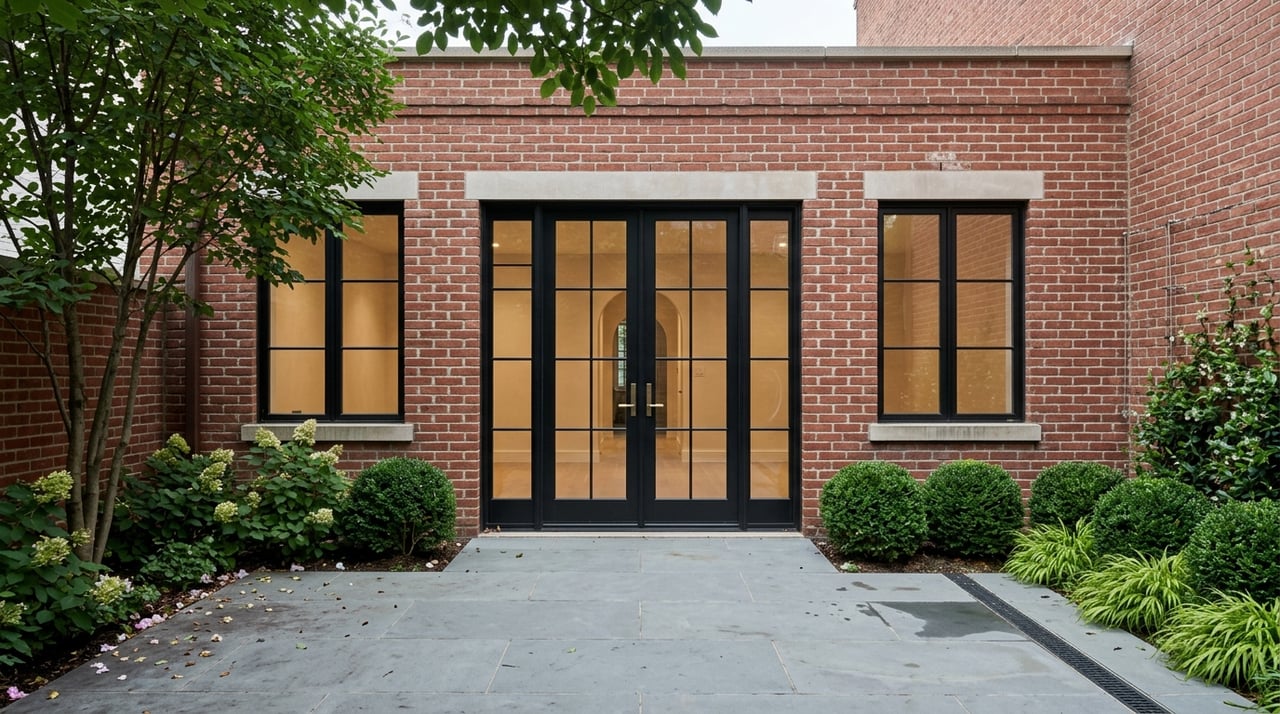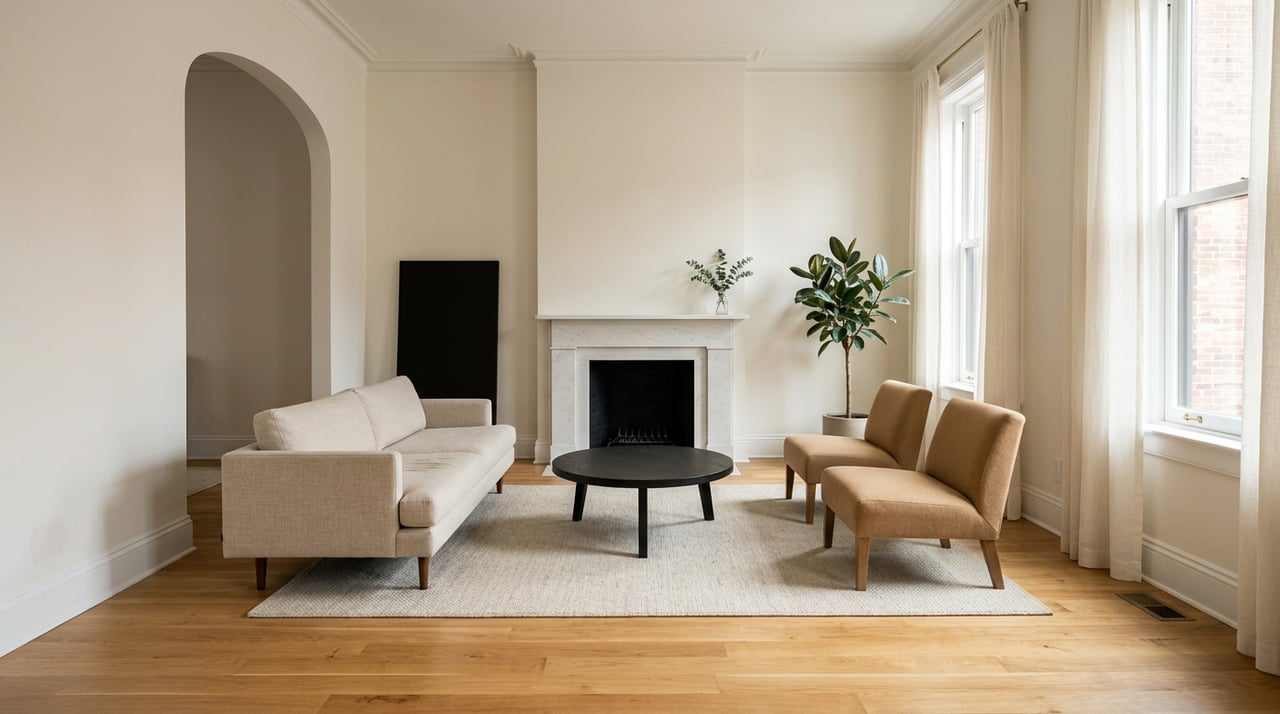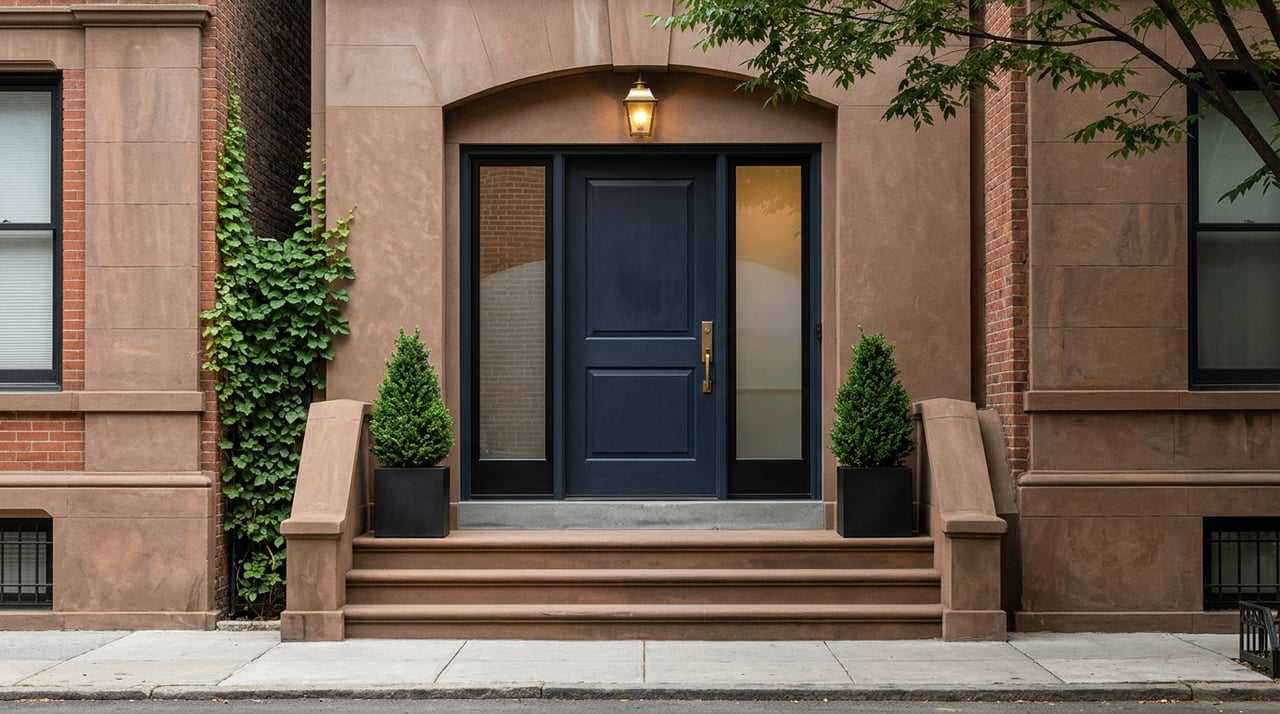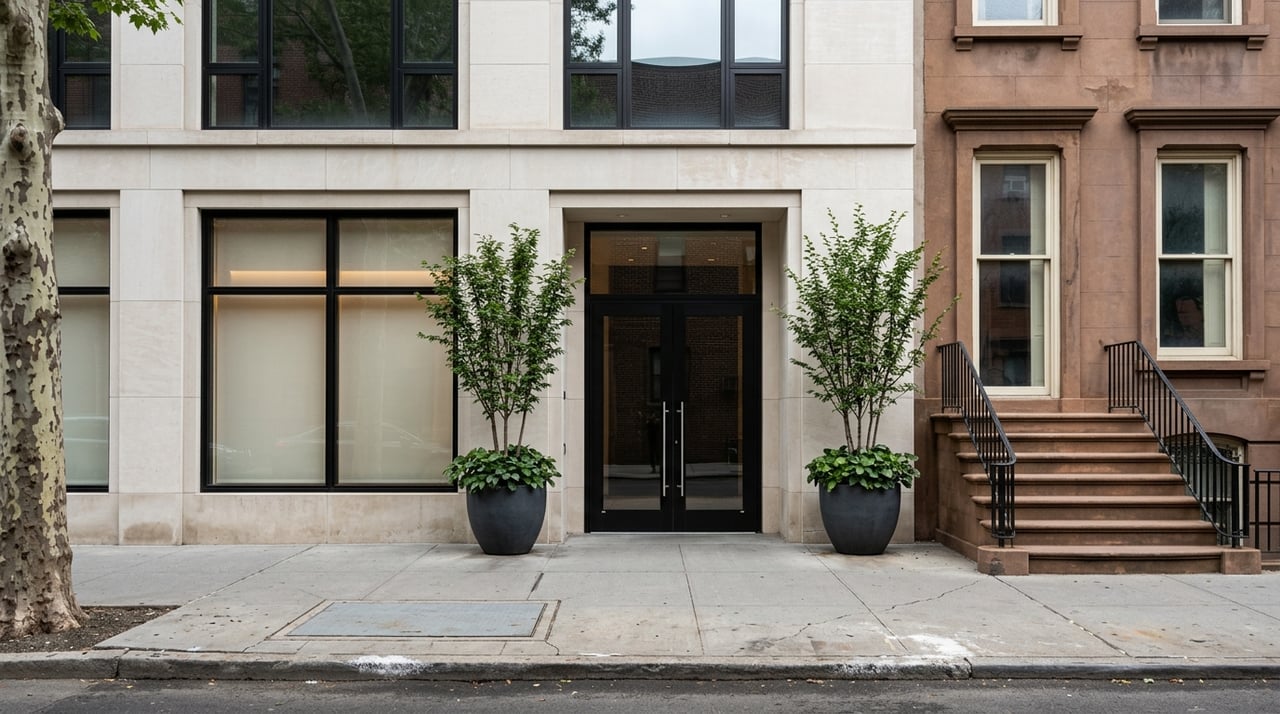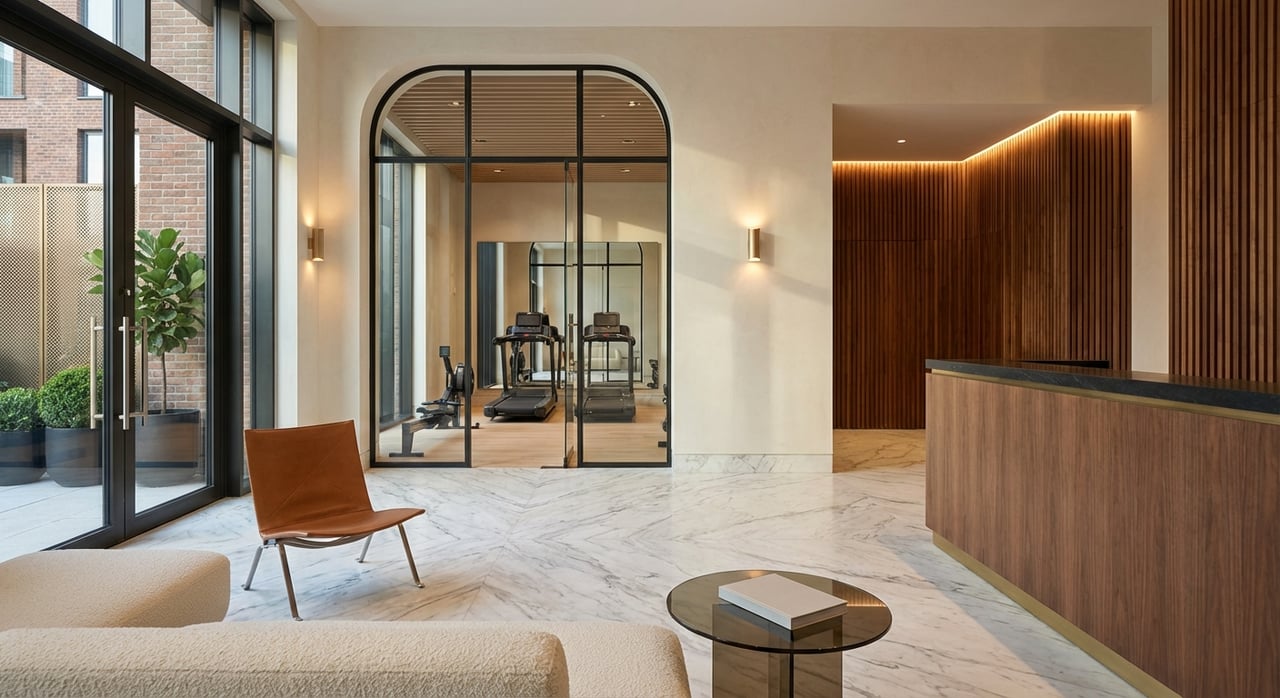
You have endless choices when you tour NYC luxury condos, but not every amenity will improve your daily life or hold value at resale. The features that matter most solve real problems like laundry, deliveries, and outdoor access, not just photo ops. In this guide, you’ll learn which amenities consistently rank high with NYC buyers, how they can influence pricing and fees, and a simple checklist to evaluate any building with confidence. Let’s dive in.
Start with daily-use essentials
If you want an amenity that changes your routine on day one, focus on in-unit laundry, elevator reliability, and doorman service. These rose to the top of buyer searches across NYC, along with pets allowed and private outdoor space, in StreetEasy’s 2024 Year in Review.
The data backs up the premium. StreetEasy found that an in-unit washer and dryer was associated with about a 14.1% premium for many sales under $2.5 million, and a doorman was associated with around a 10.9% premium in similar cohorts, according to StreetEasy’s analysis of features that sell. While these are associations, not guarantees, they reflect strong market preferences.
Buyer checklist:
- Confirm that the building permits the in-unit washer and dryer you see in the listing.
- Review elevator service history, modernization timelines, and outage logs in older properties.
- Compare in-unit conveniences like dishwasher and air conditioning with nearby comps to judge value.
Service and staffing you can count on
Doormen and concierges simplify deliveries, guest access, and overall convenience in dense neighborhoods. That convenience helps explain the doorman premium and why full-service buildings remain sought after. Still, staffing is a real line item, and how a building manages it affects your monthly costs.
Industry reporting notes that the amenity arms race is cooling, with a shift toward well-run, right-sized services that residents actually use. Review staffing models, payroll lines, and any history of service reductions, as suggested in The Real Deal’s coverage of amenity costs.
Buyer checklist:
- Ask if staff are in-house or third party and how many full-time equivalents cover your lobby.
- Confirm whether package handling is included or charged separately.
- Request board minutes for any recent cuts to service levels.
Outdoor space that truly adds value
Usable outdoor space became a priority for many NYC buyers and remains high on search lists. Both private and shared outdoor spaces are linked with price premiums in StreetEasy’s features analysis, and outdoor space searches rose sharply in recent years per the 2024 Year in Review.
Not all outdoor areas are equal. Roof decks, landscaped courtyards, and terraces that are easy to book and comfortable for multiple seasons beat tiny balconies. Operating and insurance costs matter, especially for rooftops and any pool component, as noted by The Real Deal.
Buyer checklist:
- Clarify access rules, reservation systems, guest allowances, and winter usability.
- Ask who pays for landscaping, snow removal, and repairs.
- Check pest prevention and contractor schedules for consistent upkeep.
Fitness and pools: quality over quantity
An on-site gym can replace an external membership if it is well designed and maintained. Pools can deliver double-digit premiums in certain cohorts, such as an 11.8% association in StreetEasy’s data, but they are costly to run and highly dependent on scale and staffing. See StreetEasy’s research on features that sell for how pools have performed in the data.
The best buildings curate programming and manage costs thoughtfully. The industry is moving away from oversized, underused rooms and toward better-executed spaces with real usage, per The Real Deal.
Buyer checklist:
- Review budget lines for fitness, pool operations, insurance, and lifeguards.
- Ask about third-party gym management, class schedules, and any extra access fees.
- Confirm reservation policies and usage data if available.
Storage, packages, and bike rooms
In NYC, storage and reliable package handling remove daily friction. Large industry surveys show closets and storage rank high and that package rooms or smart lockers drive resident satisfaction. For context, see the NMHC and Grace Hill preferences summary on connectivity and packages, and a package-locker deep dive from Parcel Pending’s 2024 report (Grace Hill, Parcel Pending). A summary of top must-have amenities echoes storage demand in Multifamily Executive.
Buyer checklist:
- Verify how storage is allocated, whether it is deeded or rented, and current pricing.
- Confirm bike room access and security, plus guest and delivery rules.
- Ask how package volume is handled and whether locker capacity matches the building’s size.
Technology and EV readiness
High-speed internet, strong building Wi-Fi, and keyless or smart access rank as high-value, high-use features in national preference surveys. Demand for EV charging is rising, yet satisfaction lags where infrastructure is not planned or installed, according to the Grace Hill survey summary. EV charging is also emerging as a strategic amenity for multifamily properties, per Buildings.com.
Buyer checklist:
- Ask about provider contracts, building backhaul, and any recurring tech fees.
- Confirm keyless entry, guest access tools, and how they are supported.
- For EVs, check whether there is an installed system, conduit in place, or an approved plan.
Social spaces that live well
Beautiful club rooms, catering kitchens, and coworking lounges are valuable when they are programmed and used. Gimmicky spaces tend to underdeliver and still raise carrying costs. Operators and buyers are pushing for fewer, better amenities with proven engagement, per The Real Deal.
Buyer checklist:
- Ask to see a calendar of events, class schedules, or booking logs.
- Evaluate whether the room size matches resident count.
- Confirm guest policies and any cleaning or usage fees.
Manhattan vs. Brooklyn: how to prioritize
Amenity expectations differ by neighborhood. Full-service buildings are common in many Manhattan luxury addresses, while much of Brooklyn blends newer amenity buildings with brownstones where private outdoor space often shines. Developers tailor amenity mixes to local buyer profiles, as reported by The Real Deal.
Practical guidelines:
- If you want convenience and liquidity in core Manhattan areas, prioritize doorman or concierge service and proximity to major transit, consistent with StreetEasy’s search trends.
- If you are exploring Brooklyn value, focus on private outdoor space and verify terrace size and usability, supported by StreetEasy’s analysis of buyer preferences.
- For new sponsor units that tout robust amenity suites, remember that developers can command a premium now, but long-term carrying costs and operations will shape your experience. Review offering plans and projected budgets as highlighted in StreetEasy’s 2024 predictions.
Do the math on fees and reserves
Amenities that drive a sales premium often come with higher common charges and staffing budgets. The market is adjusting toward quality over quantity because of these ongoing costs, as covered in The Real Deal’s amenity report.
How to evaluate the trade-off:
- Compare the amenity premium you are paying with the monthly fee impact today and under a realistic increase scenario.
- Ask for a snapshot of the reserve fund and any capital plans that involve amenity upgrades or replacements.
- Stress test the risk of special assessments tied to amenities that require heavy maintenance.
Your due diligence checklist
Before you sign, request and review:
- Audited operating statements and the current budget. Look for amenity line items.
- Reserve fund balance and any recent reserve study or 10-year capital plan.
- Board minutes for the past two to five years and a record of fee increases or assessments.
- Amenity vendor contracts for gyms, pools, or cleaning, plus any separate membership fees.
- Amenity usage and policy details, including booking systems and reservation logs if available.
- Unit-level rules that affect amenities, such as pet policies and sublet restrictions.
- For sponsor or new builds, the offering plan with promised amenities and phasing.
- Parking and storage allocation and any waitlists or separate fees.
- Elevator and building systems repair history, especially in older high-rises.
- Comparable closings with and without key amenities to gauge likely pricing signals.
How to choose your amenity mix
Use this simple approach:
- List what you will use three times a week or more. That is your nonnegotiable set.
- Add nice-to-haves that replace an outside expense, like a gym you would otherwise pay for.
- Remove features you might use two or three times a year that still add to monthly fees.
- Confirm the building’s budget and reserves can support your must-haves over time.
When you align amenities with real usage, the right building will feel luxurious every day and will be easier to sell when you are ready for your next move.
Ready to evaluate a specific building’s amenity package, budget, and long-term value in NYC? Connect with Gina Sabio for a tailored, data-informed plan that fits your lifestyle and goals.
FAQs
Which NYC condo amenities add the most resale value?
- StreetEasy data links in-unit washer and dryer to about a 14.1% premium and doorman service to around 10.9% in many sales under $2.5 million, with pools also showing double-digit associations in some groups.
How do amenities affect monthly common charges in NYC condos?
- Staffed services, pools, and large fitness centers raise operating costs and can push fees higher, which is why operators are focusing on right-sized, well-used amenities.
What should I verify about a building gym or pool before buying?
- Review the operating budget lines, any third-party contracts, class schedules, reservation rules, and extra fees to ensure the facility fits your routine and the costs are sustainable.
Why is in-unit laundry such a big deal in NYC?
- It removes a weekly time burden and ranks among top buyer searches, with StreetEasy reporting one of the largest associated premiums for this feature.
How can I judge if a roof deck or terrace is truly usable year-round?
- Ask about reservation systems, wind and winter conditions, heating or windbreaks, landscaping contracts, and who pays for seasonal maintenance and repairs.
What should I check for new development condos that promise big amenity suites?
- Review the offering plan, projected operating budgets for amenities, phasing of delivery, and how the building plans to fund long-term maintenance once initial sales are complete.