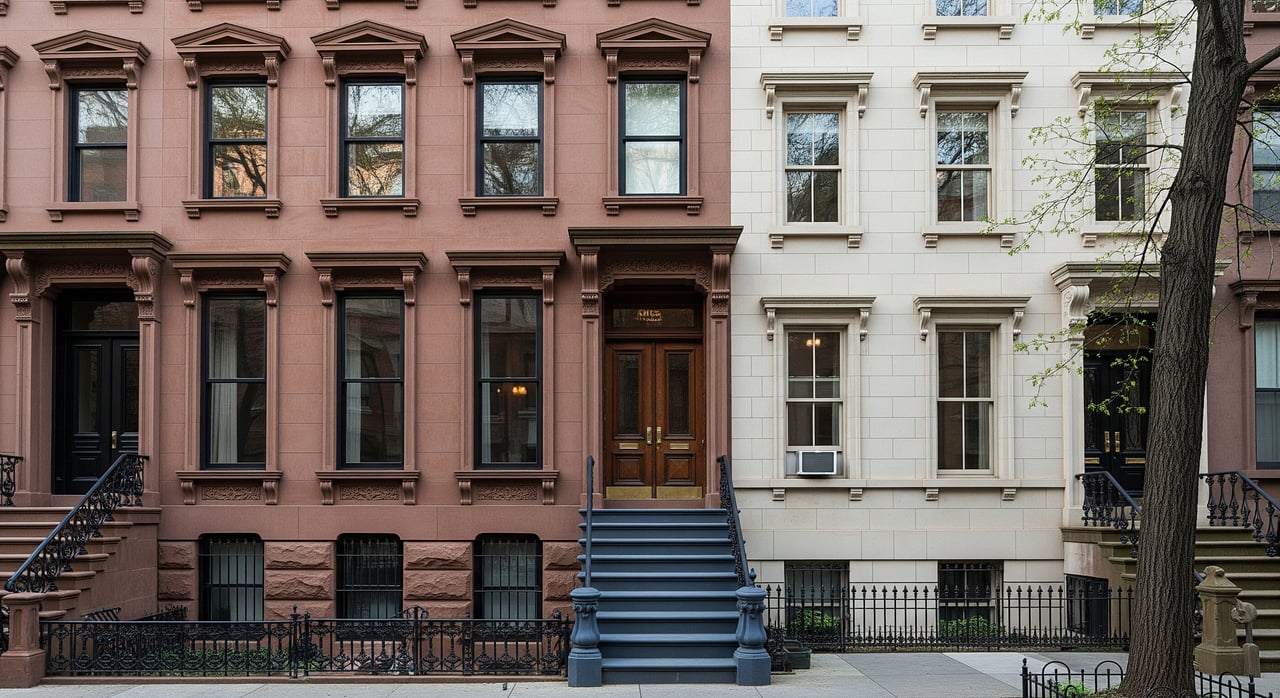
Torn between a Brooklyn brownstone and a limestone townhouse? You’re not alone. Both are icons, but the stone you choose affects how the home looks, weathers, and what it costs to maintain over time. In this guide, you’ll learn how these materials differ in appearance, durability, upkeep, approvals, and budget so you can buy with confidence. Let’s dive in.
Brownstone vs limestone basics
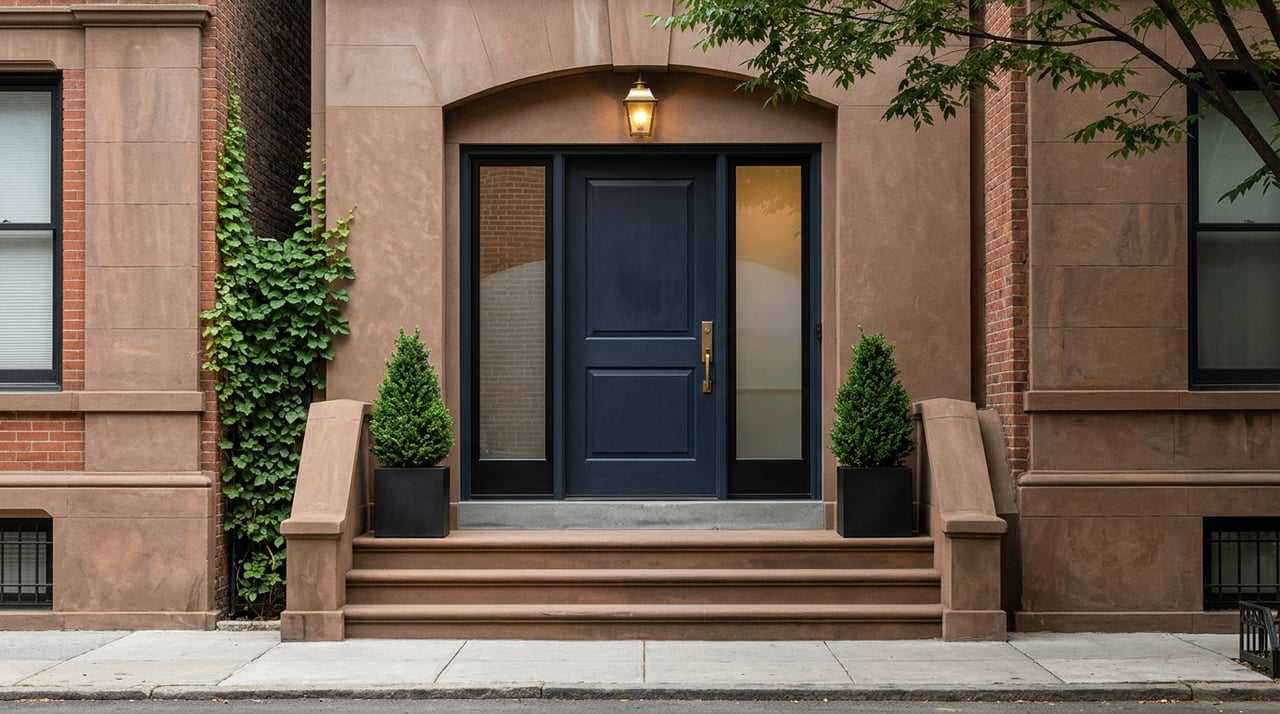
Brownstone is a brown or reddish sandstone used as an exterior facing on many Brooklyn rowhouses from the 1840s through the early 1900s. It’s relatively soft and porous, which makes it easier to carve but more sensitive to moisture. You often see it on Italianate and Neo Grec façades across Brooklyn Heights, Park Slope, Fort Greene, Clinton Hill, Carroll Gardens, and Bedford Stuyvesant.
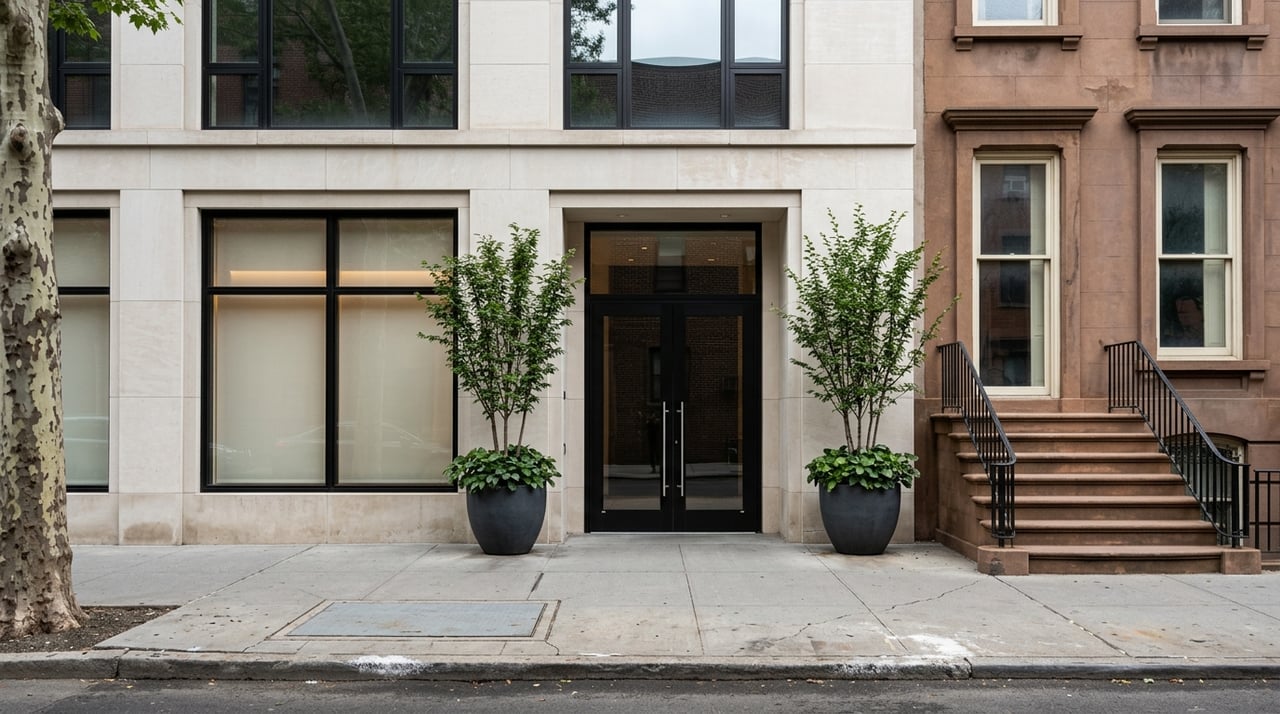
Limestone is a denser, calcareous stone known for crisp carving and a smoother finish. It appears on higher style townhouses as full façades, ashlar veneers, or carved trim, and is common on more formal designs. In Brooklyn, full limestone façades are less common than in Manhattan, but you will find them on select streets and institutional buildings.
Why this matters when you buy: material choice affects durability, maintenance frequency, permitted repair methods in landmark districts, and visual character. All of that influences long term cost and lifestyle.
Appearance and aging you’ll notice
Brownstone reads warm and hand worked, with sculpted lintels, sills, and stoops. Over time, it can show surface erosion or flaking if moisture penetrates the stone, especially where past repairs used incompatible mortars that trap water. Patches or painted areas may be visible.
Limestone reads pale and refined, with crisp ashlar coursing and classical details like pilasters, keystones, and belt courses. It typically resists abrasion and freeze thaw cycles better than brownstone but can develop staining, biological growth, and subtle surface etching in polluted or salty environments.
In practice, brownstone usually needs more vigilant moisture management, while limestone repairs must match tooling and finish closely to remain discreet.
Styles and features common in Brooklyn
Historic brownstone rowhouses often feature a raised stoop to the parlor level, tall parlor floor windows, and heavy roof cornices. You’ll see projecting bays, belt courses, and ironwork railings, with brownstone used for window surrounds and steps.
Limestone townhouses lean more formal. Expect uniform ashlar blocks with finely tooled joints, symmetrical compositions, and classical ornament associated with Renaissance Revival or Beaux Arts styles. Some have lower stoops or direct parlor entries depending on the era.
Inside, both types typically offer high parlor ceilings and original sash windows. Many have been reconfigured over time, including conversions back to single family use, open kitchens, roof decks, and cellar improvements.
Maintenance and common issues
Brownstone often shows surface loss, flaking, and spalling when moisture infiltrates and freezes. Failed mortar joints and older cement rich patches can accelerate decay by preventing the stone from breathing. Watch lintels, sills, and stoops closely.
Limestone tends to hold detail longer but can stain, grow moss or algae, and experience acid related etching. Cracking can occur from settlement. Both stone types share vulnerabilities at parapets, cornices, flashing, and gutters where water management fails.
Routine care includes seasonal inspections of the façade, gutters, downspouts, and stoop, clearing vegetation, and watching for new cracks or loose masonry. Every five to ten years, many owners plan for selective repointing and minor tuckpointing, along with targeted flashing repairs. Larger work can include dutchman repairs, full stoop replacement, or comprehensive repointing.
What to avoid
Avoid abrasive cleaning like sandblasting and high pressure washing that can permanently damage stone. Be cautious with Portland cement heavy mortars or hard cement patches, which can trap moisture and hasten decay. Cleaning, mortar selection, and patching should follow preservation standards.
Permits and landmarks: what to know
Many brownstone and limestone blocks sit within New York City Landmarks Preservation Commission historic districts. Any visible exterior change often needs LPC review and approval, whether as a Certificate of Appropriateness or an administrative permit. Even outside landmarks, structural or safety related masonry work can trigger Department of Buildings filings and require sidewalk protection or a shed.
Exterior insulation, changes to window openings, or altering a stoop may be limited by preservation rules. Interior work like mechanical upgrades usually faces fewer outward constraints but can still require DOB permits. Plan early, and gather past LPC approvals and contractor records before you bid.
Costs and budgeting for owners
Costs vary by condition, scope, access, and approvals. Softer brownstone typically requires more frequent, specialized attention. Limestone matching can be pricier for crisp ashlar or carved details, though often on a less frequent cycle.
Small repairs or localized repointing often fall in the low thousands to mid four figures, depending on extent. Major work like full stoop replacement, extensive dutchman repairs, or full façade repointing and patching can reach into the tens of thousands or more. Landmark requirements and scaffolded access add time and cost.
Plan for routine inspections and minor tuckpointing every several years. Many owners set aside a maintenance reserve tied to property value and increase reserves when they see active stone deterioration. Build in time for LPC approvals when scheduling major projects or preparing for sale.
Buyer checklist for due diligence
- Confirm landmark status and request any past LPC approvals or notices.
- Obtain a recent façade or masonry inspection report and contractor estimates for immediate needs.
- Review invoices from prior work, including mortar analysis if available, to check for compatible materials.
- Evaluate stoop, lintels, cornice, and parapet conditions, plus gutter and roof drainage.
- Look for signs of spalling, bulging masonry, wide cracks, or water ingress near windows and arches.
Lifestyle fit: which suits you?
Choose brownstone if you love a warm, sculpted façade and the quintessential raised stoop experience. Expect hands on stewardship with moisture management and detail oriented maintenance to keep the stone healthy.
Choose limestone if you prefer a paler, formal look with crisp detail and a slightly more forgiving maintenance profile. You’ll still plan for careful cleaning and matching finishes when you repair.
Either way, focus on condition, prior work quality, and the block’s preservation context. The right townhouse balances historic character with a maintenance plan that fits your budget and timeline.
Ready to compare homes block by block?
If you want a nuanced read on a specific townhouse, including condition, likely approvals, and realistic cost ranges, connect with a local advisor who navigates historic Brooklyn daily. For confidential guidance and a tailored shortlist, reach out to Gina Sabio.
FAQs
What is the core difference between brownstone and limestone?
- Brownstone is a softer, more porous sandstone with warm tones, while limestone is denser, paler, and holds crisper carving and smoother ashlar finishes.
How do maintenance needs differ for Brooklyn townhouses?
- Brownstone generally needs more vigilant moisture management and careful repointing, while limestone often requires less frequent but closely matched cleaning and repairs.
What problems should I look for during a townhouse tour?
- Check for spalling or flaking stone, failed mortar joints, cracks at lintels and arches, staining or growth on limestone, and drainage issues at gutters, parapets, and cornices.
Do I need permits to repair a stoop or façade in a landmark district?
- Yes, most visible exterior work requires Landmarks Preservation Commission approval, and many projects also need Department of Buildings filings and safety measures.
How much should I budget for stone repairs on a historic façade?
- Localized repointing can be in the low thousands to mid four figures, while major stoop or façade projects can reach into tens of thousands depending on scope and approvals.
Can I paint a brownstone façade to hide patches?
- Painting is sometimes used, but it changes the character and can trap moisture, and in landmark districts it may be regulated, so consult guidelines before proceeding.