If you are thinking about selling a Brooklyn townhouse, you may have one big question: what actually moves the needle before you list? In a market where buyers are active but still selective, small details can shape first impressions, showing activity, and even your final negotiation. The good news is that you do not need to renovate everything to compete well. You need a smart plan that removes friction, highlights character, and helps buyers understand the home clearly. Let’s dive in.
Why prep matters in Brooklyn now
Brooklyn entered summer 2026 with strong momentum, but not a careless market. Corcoran reported that signed contracts rose 15% year over year, days on market fell to 72, active listings increased 8%, and both median and average prices rose 11% to record highs. That tells you buyers are participating, but they also have options.
StreetEasy’s April 2026 recap also showed Brooklyn had a median sale-to-list price ratio of 98.6%, the highest in New York City. In practical terms, that suggests there is often limited room for negotiation once a home hits the market. If your townhouse shows visible wear, clutter, or unclear room use, buyers may use those issues as reasons to hesitate or push on price.
Focus on friction, not full renovation
For most Brooklyn townhouses, the best pre-sale work is not a gut renovation. It is the kind of preparation that makes the home feel cared for, calm, and easy to understand. That means fixing what buyers can see quickly and removing distractions that compete with the home’s architecture.
A thoughtful prep plan often includes:
- Deep cleaning from top floor to garden level
- Repairing scuffed walls and loose hardware
- Touching up paint where needed
- Reducing bulky furniture
- Packing away personal items
- Organizing closets so they appear about half full
- Refreshing the entry and exterior first impression
According to NAR’s consumer staging guidance, decluttering, neutral paint, lighter furniture arrangements, and a stronger entry presentation are among the most effective steps. This kind of work tends to deliver more value than expensive updates done too close to launch.
Start with the rooms buyers notice most
Not every room carries the same weight during a showing or online search. NAR’s 2025 staging report found that the living room, primary bedroom, dining room, and kitchen are among the rooms most commonly staged. These are often the spaces where buyers form their strongest emotional reaction.
In a townhouse, that usually means your parlor level living and dining areas deserve extra attention. If the scale feels cramped or the furniture competes with ceiling height, windows, or original details, buyers may miss what makes the home special. A lighter layout can help the architecture take the lead.
The kitchen should feel clean, functional, and uncluttered. You do not need a full replacement to make a strong impression. Clear counters, polished hardware, working lights, and a spotless finish can go a long way.
The primary bedroom should feel restful and spacious. If needed, remove extra seating, oversized dressers, or personal collections that make the room feel smaller than it is. The goal is to help buyers picture how they would live there.
Make the layout easy to understand
One of the biggest challenges with a Brooklyn townhouse is flow. Unlike a simple one-level apartment, a townhouse often spans multiple floors with distinct zones such as the parlor floor, upper bedrooms, garden level, cellar storage, and outdoor space. Buyers may love the photos but still struggle to understand how the home actually lives.
That matters because NAR’s buyer data found that photos are the most useful website feature for 83% of buyers, followed by detailed property information at 79% and floor plans at 57%. For a townhouse, strong visuals work best when they are supported by clear floor plans and well-labeled images.
In practice, that means each level should have an obvious purpose before photography begins. If a garden-level room could be read as a den, guest space, office, or recreation area, the setup should guide that interpretation. Clear presentation helps buyers process the home faster and with more confidence.
Preserve the details that make it a townhouse
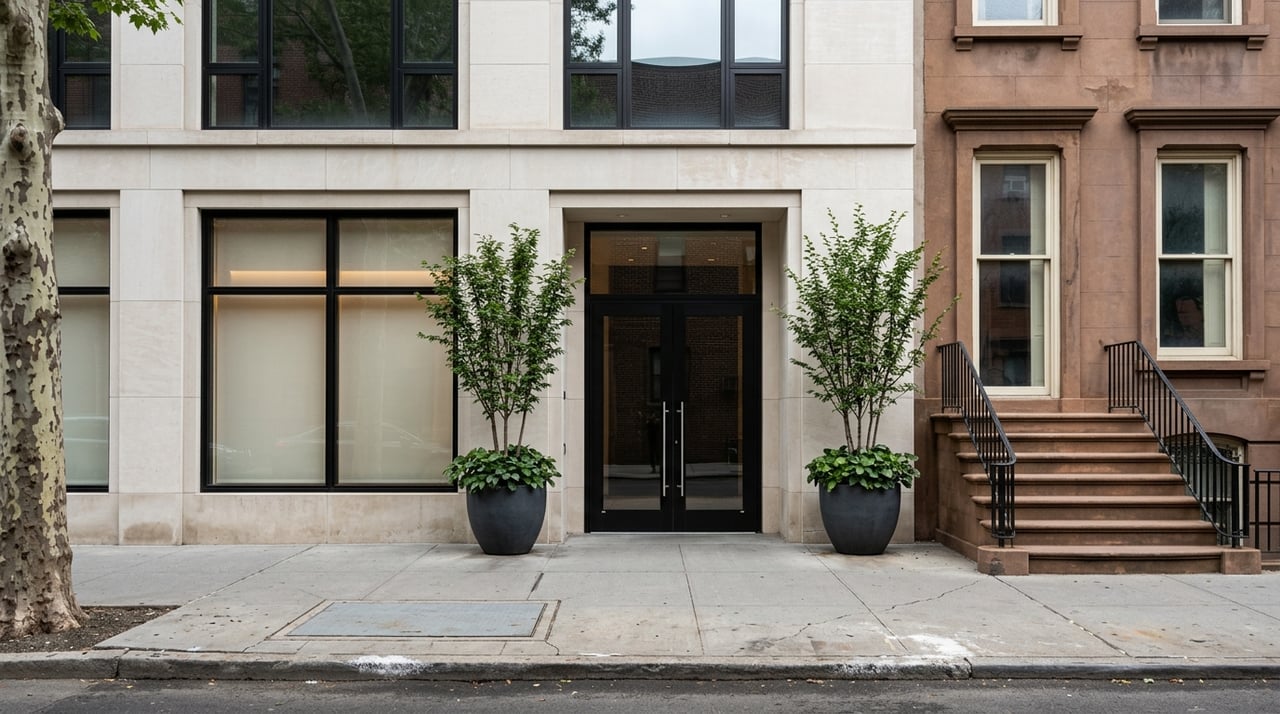
Brooklyn brownstones and townhouses are often valued for features that newer homes simply do not have. StreetEasy notes that brownstones are known for stoops, carved details, and elevated entrances. Those details are not background features. They are part of the product.
If your home has original trim, stair details, mantels, moldings, or façade character, the goal is usually to showcase them, not hide them. NAR’s guidance on historic homes supports pointing out important original elements that contribute to the property’s character and should be preserved.
That does not mean every old feature must remain untouched. It means the prep strategy should avoid flattening the home into something generic. Clean lines, lighter styling, and careful maintenance usually serve a Brooklyn townhouse better than trendy changes that erase its identity.
Improve curb appeal where buyers start
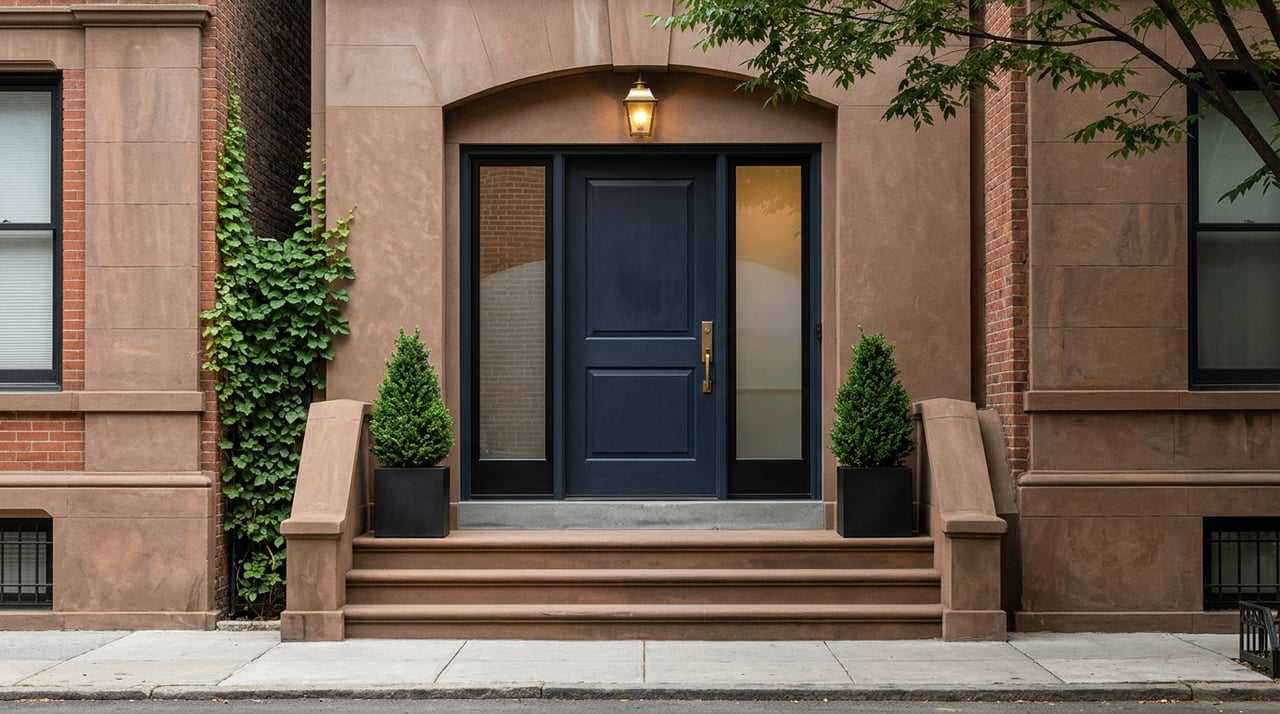
With a townhouse, the exterior carries real weight because buyers often experience the stoop and façade before anything else. The front door, railings, lighting, and house numbers all contribute to the first impression. If the exterior feels neglected, buyers may assume deferred maintenance continues inside.
High-impact curb appeal updates may include:
- Cleaning the stoop and front steps
- Refreshing the front door finish if needed
- Tightening or polishing hardware
- Checking exterior lighting
- Straightening or updating house numbers
- Cleaning railings and entry glass
- Adding simple, well-kept planters
- Keeping the sidewalk edge tidy
These steps align with NAR’s emphasis on entry presentation and exterior appearance. In Brooklyn, where architectural presence matters, exterior polish can shape buyer expectations before the showing even begins.
Know when landmark review may apply
If your townhouse is landmarked or located in a designated historic district, exterior changes may require review by the New York City Landmarks Preservation Commission. LPC states that most exterior changes to front and rear façades in historic districts require review. That can affect your timeline if you are considering more than simple maintenance.
LPC also says some ordinary maintenance typically does not require a permit, such as replacing broken glass, repainting the exterior to match the existing color, and caulking around windows and doors. If you are planning exterior prep, it helps to sort out early which items are basic maintenance and which may need approval.
Decide whether partial staging is enough
Staging does not always mean furnishing every room from scratch. NAR frames staging as a process of decluttering and styling, and that is often the right starting point for an occupied townhouse. If you already live in the home, partial staging can be enough when the furniture is scaled well and the layout is clear.
NAR’s 2025 report found that 83% of buyers’ agents said staging helps buyers visualize a future home, 49% said it reduced time on market, and 29% said it increased the dollar value offered by 1% to 10%. Those numbers help explain why presentation matters, even in a strong market.
For a vacant or partly vacant townhouse, professional or partial staging can be especially useful. Empty rooms can make scale harder to read, especially across multiple levels. A few well-placed pieces can define how a parlor floor entertaining area, garden-level lounge, or bedroom should function.
If virtual staging or image enhancements are used, NAR advises that material alterations should be disclosed so buyers are not misled. The goal is clarity, not confusion.
Handle repairs that buyers will notice quickly
Before listing, focus first on visible issues that can create doubt. Buyers tend to notice the small signs of wear that suggest larger maintenance questions may exist. A loose doorknob, peeling paint, sticky window, cracked tile, or old caulk line may seem minor, but together they can weaken confidence.
The best repair category is often what you touch and see most often, including:
- Wall scuffs and patching
- Loose cabinet or door hardware
- Burned-out light bulbs
- Minor paint touch-ups
- Door alignment issues
- Worn caulk or grout in baths and kitchens
- Squeaky or unstable handrails
- Basic exterior cleanup
This kind of work supports the broader goal of reducing buyer hesitation. It also helps your photography and showings feel more polished.
Do compliance checks before launch
For older Brooklyn townhouses, sale prep is not only cosmetic. It should also include basic compliance checks and disclosure planning. If your home was built before 1978, federal lead-based paint disclosure rules generally require sellers of most housing from that period to disclose known lead-based paint or lead hazards, provide available records, provide the required pamphlet, include a lead warning statement, and give buyers a 10-day opportunity for inspection unless that right is waived.
New York City also adds lead-related obligations for certain pre-1960 buildings and some buildings from 1960 to 1978, especially where rental units or tenants are involved. If your townhouse has a rental component or tenant history, this should be reviewed early as part of your listing preparation.
You should also verify required detectors before listing. New York City requires smoke detectors, carbon monoxide detectors, and in some cases gas detectors in many residential settings. Making sure these items are present and working is a simple step that supports a smoother sale process.
A smart sale strategy lets the architecture lead
The strongest townhouse prep strategy is usually not about doing more. It is about doing the right things in the right order. In today’s Brooklyn market, where contracts are up, days on market have shortened, and sale-to-list ratios leave limited room for error, thoughtful preparation can help you stand out early and avoid costly price reductions later.
When your home is clean, repaired, clearly presented, and true to its architectural character, buyers can focus on what makes it special. That is what creates momentum. And for a Brooklyn townhouse, momentum matters.
If you are preparing to sell a Brooklyn townhouse and want a tailored, discreet strategy for presentation, pricing, and launch timing, Gina Sabio can help you position the property with clarity and confidence.
FAQs
What repairs are worth doing before listing a Brooklyn townhouse?
- The most worthwhile repairs are usually visible, high-touch items such as wall patching, paint touch-ups, loose hardware, lighting fixes, worn caulk, and minor exterior cleanup that improve buyer confidence without requiring a full renovation.
Is partial staging enough for an occupied Brooklyn townhouse?
- Yes, partial staging is often enough if your existing furniture is edited well, room use is clear, and key spaces like the living room, primary bedroom, dining room, and kitchen feel open and calm.
What exterior work may need review for a Brooklyn townhouse in a historic district?
- If the property is landmarked or in a designated historic district, most exterior changes to front and rear façades may require review by the New York City Landmarks Preservation Commission, while some ordinary maintenance typically does not.
What disclosures apply if a Brooklyn townhouse was built before 1978?
- Sellers of most pre-1978 housing generally must address federal lead-based paint disclosure requirements, and additional New York City lead-related obligations may apply in certain older buildings, especially where rental units or tenants are involved.
How much original detail should you preserve in a Brooklyn townhouse sale?
- In most cases, original details such as stoops, trim, mantels, stairs, and façade elements should be maintained and highlighted because they are part of what buyers value in a Brooklyn townhouse.