Are you drawn to the airy, industrial look of a Brooklyn loft but not sure what “loft-style” actually means? You are not alone. In Brooklyn, the term can describe everything from a true warehouse conversion to a newer condo designed to capture the same open feel, so knowing the difference can save you time and help you make a smarter decision. Let’s break down what loft-style homes in Brooklyn really are, where you tend to find them, and what to verify before you buy.
What Loft-Style Means in Brooklyn
In Brooklyn, “loft-style” is often a design description, not a legal category. That matters because a home can look like a loft without being part of a building covered by New York City’s Loft Law.
The narrower legal category involves certain former commercial, manufacturing, or warehouse buildings that meet specific occupancy-history rules. New York City’s Loft Board refers to these as Interim Multiple Dwellings, or IMDs. Separately, the Department of Buildings states that a building must have a Certificate of Occupancy or Temporary Certificate of Occupancy to be legally occupied.
For buyers, the practical takeaway is simple: a listing may be marketed as loft-style, but that does not automatically mean it is a Loft Law building. You will want to understand whether you are looking at a true legal loft conversion, an IMD, or a newer residence with loft-inspired design.
Hard Lofts vs Soft Lofts
Most Brooklyn loft-style homes fall into two broad groups: hard lofts and soft lofts. Both can offer dramatic space and a distinctive look, but they tend to live very differently day to day.
Hard lofts
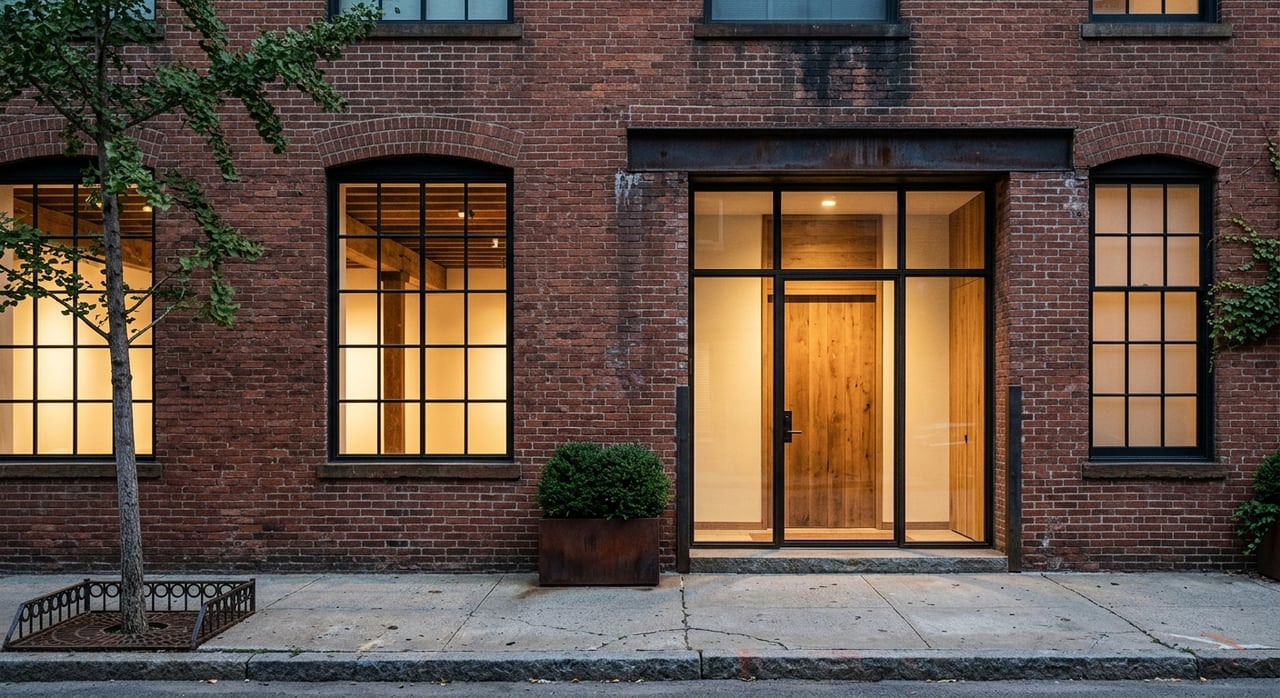
Hard lofts are usually authentic conversions of older industrial or commercial buildings. Think former factories, warehouses, or manufacturing spaces that have been adapted for residential use.
These homes often feature open floor plans, fewer fixed interior walls, exposed brick or structural elements, original industrial windows, and concrete or wood floors. The appeal is character and authenticity, especially if you want a home that feels tied to Brooklyn’s industrial past.
At the same time, older buildings can come with tradeoffs. Hard lofts may offer fewer amenities, less insulation, and more of the raw edges that make loft living feel distinctive in the first place.
Soft lofts
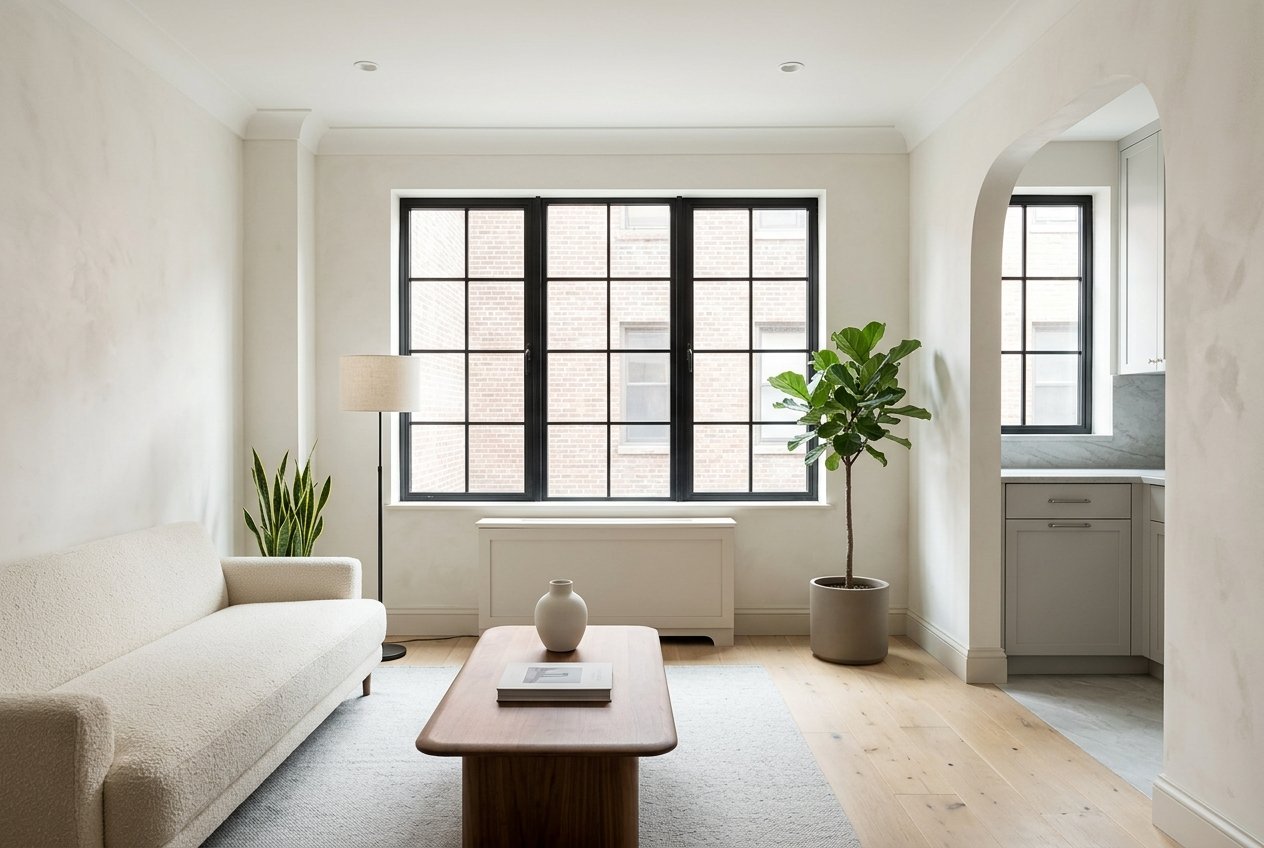
Soft lofts are newer buildings created to echo the loft look. They usually keep the big windows, higher ceilings, and open layouts, but they pair those features with more polished finishes and more modern systems.
In many cases, soft lofts offer better sound separation, more energy-efficient windows, built-in storage, and shared amenities. If you love the loft aesthetic but want a more turnkey living experience, this category often feels like the middle ground.
Why Loft Homes Feel Different
One reason loft-style homes are so popular is that they feel larger than many standard apartments, even when the square footage is similar. That sense of space often comes down to ceiling height, window size, and layout.
Standard apartments are often around 8 to 9 feet tall, while lofts commonly begin around 10 feet and can rise much higher. In practice, that extra vertical space can change the whole experience of a home.
Large windows also play a major role. They bring in light, emphasize volume, and highlight architectural details that might disappear in a more traditional layout.
Then there is the floor plan itself. With fewer walls and a more open footprint, a loft-style home often gives you flexibility to create living, dining, work, and sleeping zones in a way that suits your routine.
Where Brooklyn Lofts Cluster
Brooklyn loft-style homes are most commonly found in areas with a strong industrial history. That pattern is not random. The neighborhoods with older manufacturing and warehouse stock have naturally seen more adaptive reuse over time.
DUMBO lofts
DUMBO is one of Brooklyn’s most recognized loft markets. City planning materials describe it as a mixed residential and commercial area dominated by converted industrial loft buildings.
Its planning history also highlights the neighborhood’s transition from a major industrial hub to a mixed-use area shaped by the adaptive reuse of historic loft and warehouse buildings. If you picture classic Brooklyn loft living, DUMBO is often the image that comes to mind.
Williamsburg and Greenpoint lofts
Williamsburg, Greenpoint, and East Williamsburg also stand out for loft hunters. City planning documents identified widespread loft conversion activity in the broader Greenpoint-Williamsburg area, including more than 100 industrial buildings with residential use in the study area.
That helps explain why the area offers a mix of converted industrial buildings, newer housing, and remaining light-industrial spaces. For buyers, it is one of Brooklyn’s clearest examples of old and new loft living side by side.
Gowanus loft-style homes
Gowanus remains another important loft-style area. Recent planning materials describe many former industrial warehouses and loft-style buildings there as having been adaptively reused for offices, studios, and artisan manufacturing.
The city’s planning framework also encourages loft-style building forms and reuse in key locations. That means the neighborhood’s industrial building stock continues to shape the kind of residential product buyers see in the area.
What Buyers Love About Loft Living
Loft-style homes appeal to buyers for a few consistent reasons. The first is volume. High ceilings and open layouts can make everyday living feel more expansive and more flexible.
The second is light. Large windows are one of the most recognizable loft features, and they often create a brighter interior experience throughout the day.
The third is character. Exposed materials, industrial detailing, and unconventional floor plans can give a home a strong sense of identity that many standard apartments do not have.
Finally, loft-style homes can work well for changing needs. If you want room for a home office, creative workspace, or a layout that feels less rigid, the open plan can be a real advantage.
The Tradeoffs to Consider
Loft living is not one-size-fits-all. The same features that make a loft beautiful can also create practical challenges.
Privacy is often the first issue buyers notice. Open floor plans can mean fewer enclosed rooms and less separation between living, sleeping, and working areas.
Acoustics are another consideration. Large open spaces can echo, and older buildings may not provide the same sound control you would expect in newer construction.
Storage can also be more limited, especially in older hard lofts where the layout was not originally designed around modern closet expectations. And because lofts often have large windows and generous volume, heating and cooling costs can be higher, particularly in older buildings.
What to Verify Before You Buy
If you are seriously considering a loft-style home in Brooklyn, due diligence matters. A beautiful space should also be a legally compliant and functional one.
Confirm legal residential use
Start by verifying that the building is legally approved for residential occupancy. The New York City Department of Buildings states that the Certificate of Occupancy identifies the legal use of a building.
This is especially important with loft-style properties because some spaces may have originated as commercial or industrial buildings. Checking legal use and Certificate of Occupancy status can help you avoid issues tied to improper conversion.
Ask whether it is an IMD
If a property may fall under the Loft Law, ask whether the building is an Interim Multiple Dwelling under Loft Board jurisdiction. That is a different question from whether a listing simply uses loft-style language as a marketing term.
Knowing this distinction can clarify what type of building you are buying into and how the property is classified.
Evaluate privacy and layout
Before you fall in love with the look, think about how the layout will work for your daily life. Can the space comfortably support bedrooms, a home office, or separate zones for work and rest?
This is one of the biggest practical differences between loft styles. A dramatic open room may feel exciting at first, but it still needs to function well for how you live.
Review heating, cooling, and comfort
Large windows and tall ceilings can be wonderful, but they can also affect utility costs and comfort. This is worth looking at closely, especially in older hard lofts.
Soft lofts may offer more efficient windows and better insulation, which can make a noticeable difference. If comfort and efficiency are high priorities, this is an area to compare carefully.
Is a Brooklyn Loft Right for You?
A loft-style home can be a compelling choice if you value openness, light, and architectural character. It may be especially appealing if you want flexible living space or are drawn to Brooklyn’s converted industrial buildings.
At the same time, the right fit depends on your priorities. If you need strong room separation, predictable storage, or a more conventional layout, some lofts may feel less practical than they first appear.
The key is to look beyond the aesthetic. When you understand the difference between hard lofts and soft lofts, where Brooklyn’s loft inventory tends to cluster, and what to verify legally and functionally, you can shop with much more confidence.
If you are considering a loft-style home in Brooklyn and want a tailored, clear-eyed view of the options, Gina Sabio can help you evaluate the details that matter most.
FAQs
What is a loft-style home in Brooklyn?
- A loft-style home in Brooklyn usually refers to a residence with open space, high ceilings, large windows, and industrial-inspired details, but the term does not always describe a specific legal building category.
What is the difference between a hard loft and a soft loft in Brooklyn?
- A hard loft is typically a converted older industrial or commercial building, while a soft loft is usually newer construction designed to recreate the loft look with more modern finishes and systems.
Where are loft-style homes most common in Brooklyn?
- Loft-style homes are most commonly associated with former industrial areas such as DUMBO, Williamsburg, Greenpoint, East Williamsburg, and Gowanus.
How high are ceilings in Brooklyn loft-style homes?
- Loft ceilings are often taller than standard apartments, commonly starting around 10 feet and sometimes reaching much higher.
What should you verify before buying a Brooklyn loft-style property?
- You should verify that the building is legally approved for residential use, review its Certificate of Occupancy status, and determine whether it is a Loft Law building or simply a loft-style residence.
Are Brooklyn loft-style homes always legal lofts?
- No. A property may be marketed as loft-style even if it is not a legal Loft Law building, which is why checking the building’s legal status is important.