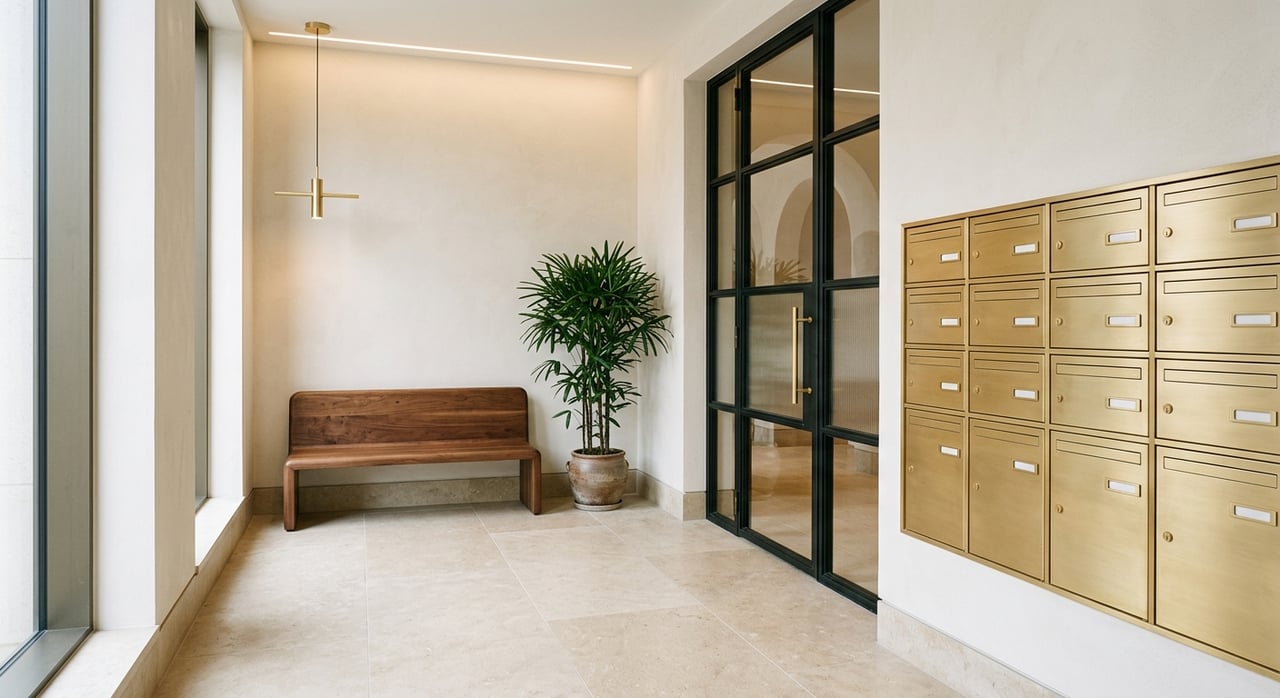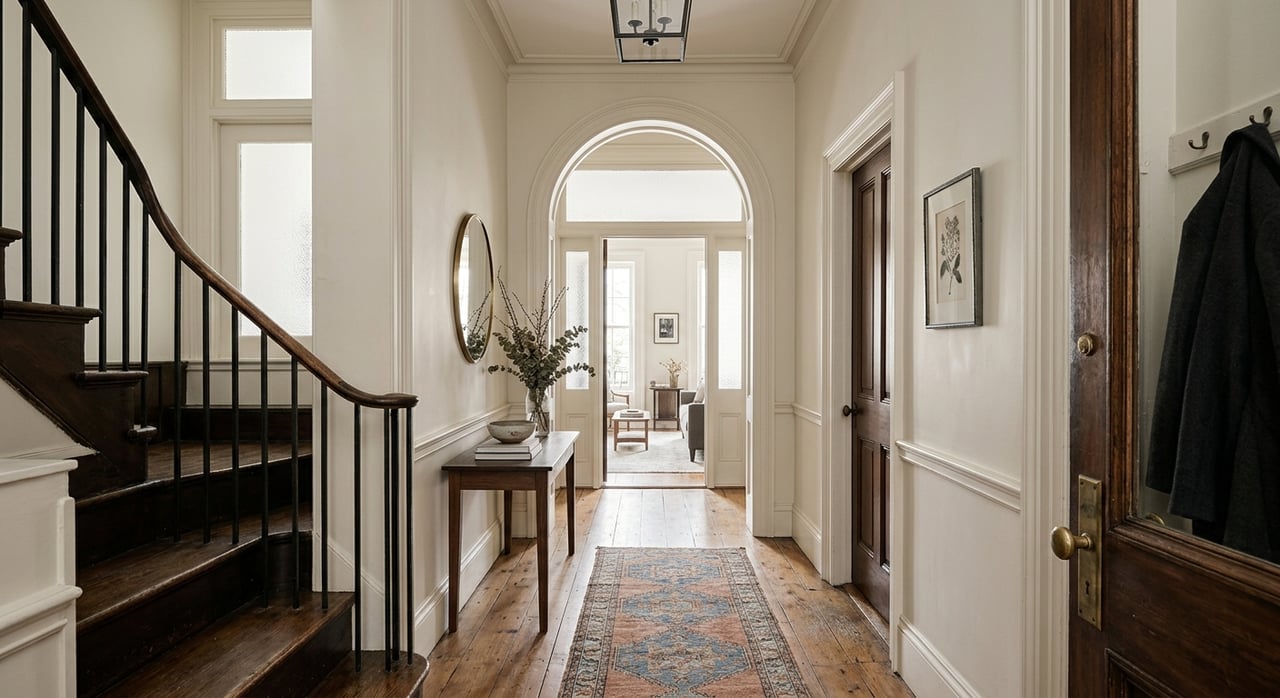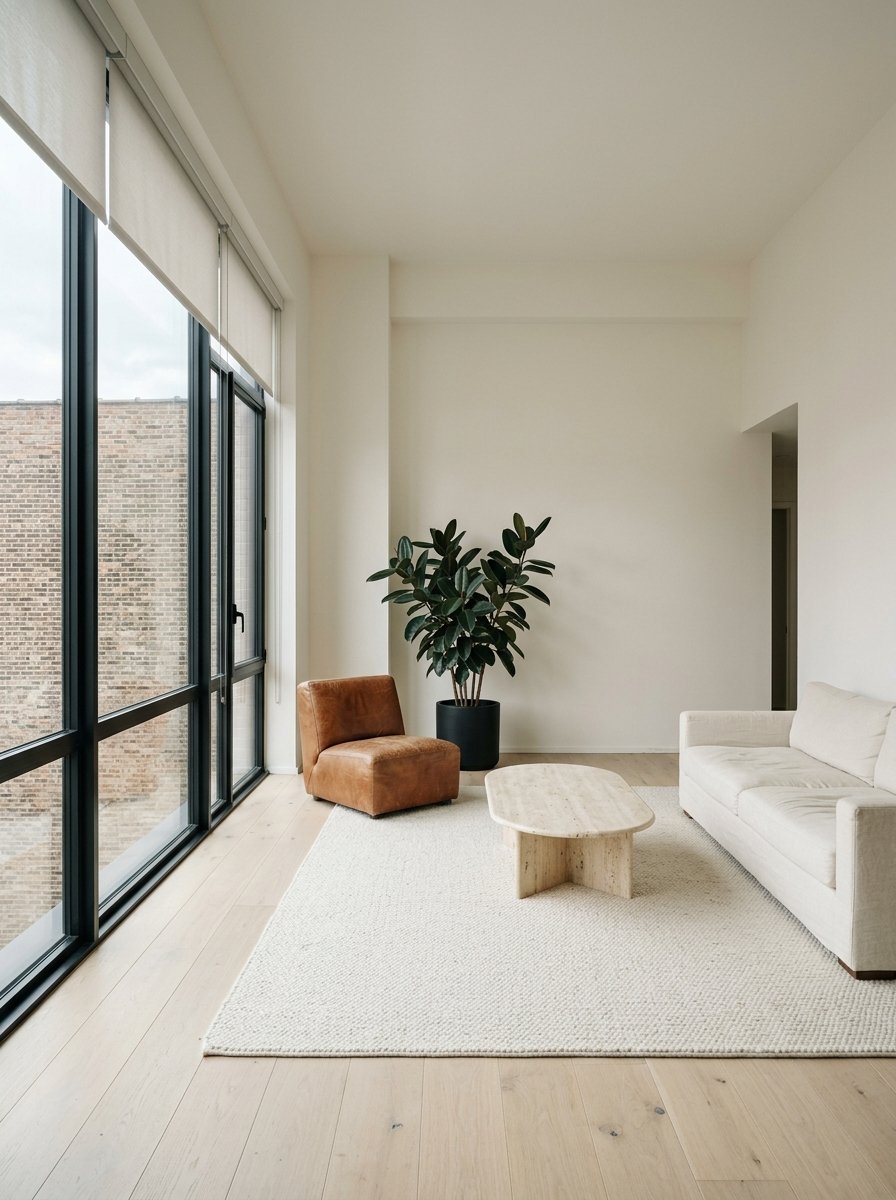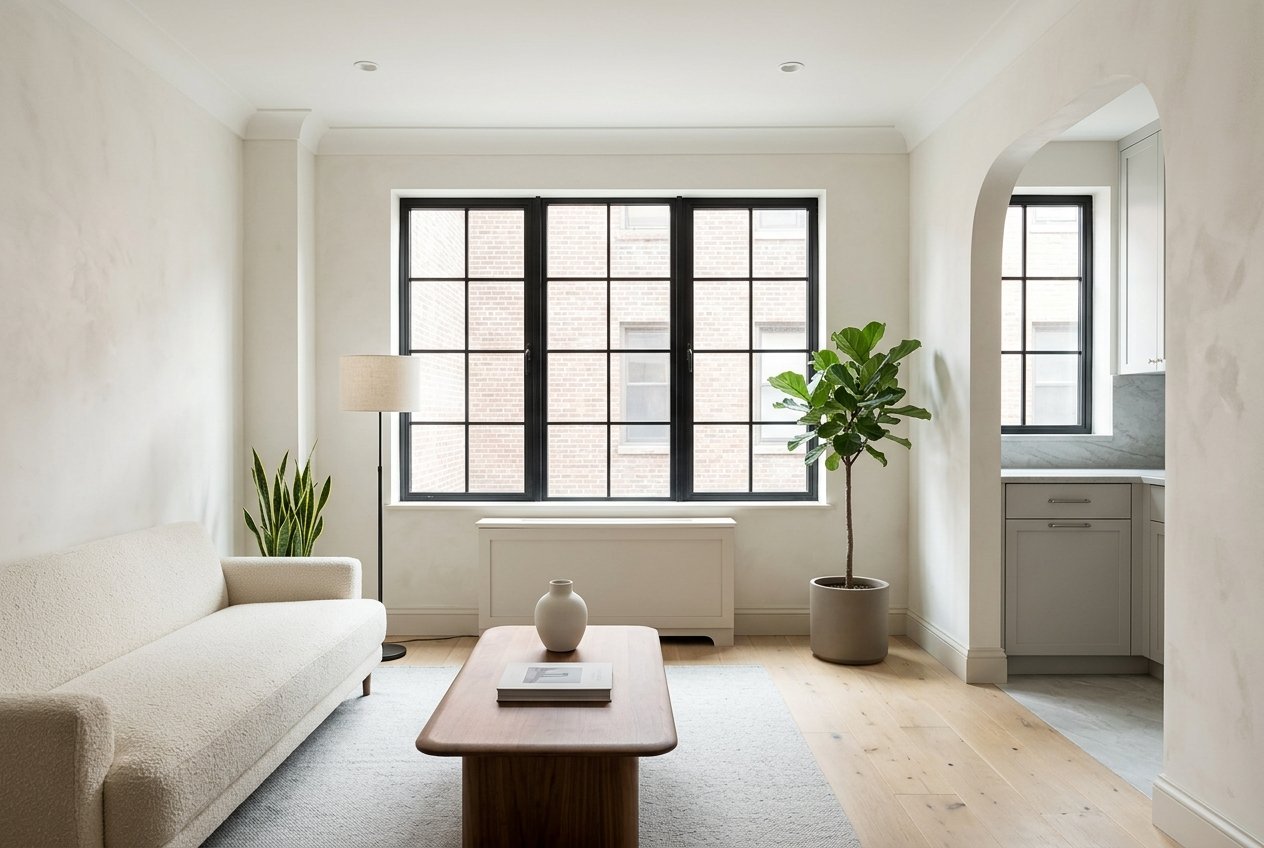
If you love the idea of Brooklyn living but do not want the scale or feel of a large tower, boutique condo living may be exactly what you are looking for. Many buyers are drawn to smaller buildings for the privacy, design character, and neighborhood connection they can offer, but the day-to-day reality can look very different from a full-service high-rise. Understanding those differences can help you buy with more confidence. Let’s dive in.
What boutique means in Brooklyn
In Brooklyn, “boutique” is a market term, not a legal category. There is no single official unit count that defines it, and published definitions often range from 10 or fewer units to 20 or fewer, while some industry uses stretch to 12 to 30 or even under 50 units.
In practical terms, boutique usually points to a smaller condo or co-op with a more intimate feel. That often appeals to buyers who want more privacy and a building with a distinct identity rather than a large, highly programmed residential tower.
Why buyers are drawn to boutique condos
The biggest appeal is often the balance between private-home living and condo ownership. A boutique condo can feel closer to townhouse living, with fewer neighbors, less foot traffic, and a quieter day-to-day routine.
Many buyers also like the sense of personality that comes with a smaller building. Instead of a standard tower layout, you may find floor-through homes, duplexes, triplexes, open-plan interiors, and private outdoor space that feels more customized to the building’s architecture.
What boutique buildings often look like
Many boutique Brooklyn condos fall into the city’s low-rise category, especially in areas where zoning and neighborhood context preserve a lower-scale streetscape. In parts of Park Slope and Prospect Heights, for example, zoning frameworks and neighborhood form often keep new construction within a low-rise range.
That lower scale is part of what gives many boutique properties their appeal. In several Brooklyn neighborhoods, condo buildings are woven into blocks defined by rowhouses, brownstones, and smaller multifamily buildings rather than isolated supertall development.
Common building patterns
Across Brooklyn, boutique condo living tends to show up in a few recurring formats:
- Newer low-rise condo buildings
- Rowhouse-scale conversions
- Loft-style residential conversions
- Small ground-up buildings with a limited number of homes
- Historic buildings adapted for residential use
In neighborhoods like Park Slope, Boerum Hill, Fort Greene, and Clinton Hill, the surrounding built environment is often made up of three- to five-story residential buildings. In Greenpoint, Williamsburg, and DUMBO, the mix can include low- and mid-rise residential structures, loft buildings, and former industrial properties converted for residential use.
Floor plans and design details to expect
One of the strongest draws of boutique Brooklyn condo living is that layouts often feel less repetitive than in a large tower. Depending on the building, you may see duplexes, triplexes, floor-through residences, and loft-like spaces with open plans and generous ceiling heights.
Private outdoor space is also a recurring feature in many design-forward examples. Roof terraces, private gardens, rooftop decks, and terrace access appear often in smaller Brooklyn condo projects, especially in buildings designed to emphasize light, openness, and indoor-outdoor living.
That said, every building is different. A boutique condo may feel highly custom and architectural, or it may simply offer a smaller-scale version of standard condo living with fewer residences and a quieter atmosphere.
Amenities in boutique condo buildings
If you are considering boutique living, it helps to reset expectations around amenities. Smaller buildings usually do not support the same amenity package as a large tower, because there are fewer residents to share those costs.
That does not mean there are no amenities. Some boutique buildings still offer features like:
- Common gardens
- Small fitness rooms
- Parking
- On-site laundry
- Doorman or concierge service
- Roof terraces or rooftop decks
The difference is usually scale, not complete absence. In many boutique buildings, the appeal is less about an extensive service package and more about design, privacy, and location.
The tradeoff: fewer owners share costs
The most important practical issue in a smaller building is ownership economics. Major building expenses such as roof replacement, boiler work, or façade repairs are spread across fewer owners, which can make the financial impact more noticeable than in a larger condominium.
This is one reason due diligence matters so much in boutique buildings. You are not just buying your unit. You are also stepping into a small shared ownership structure where upcoming capital work, reserve strength, and management style can directly affect your ownership experience.
Management and board culture matter more
In a boutique building, the management style can shape daily life in a very visible way. Some smaller buildings are self-managed, and that can make decision-making feel more personal, for better or worse.
A smaller ownership group can create a close-knit environment, but it can also mean building discussions feel more hands-on. Before you buy, it is smart to understand how decisions are made, how issues are communicated, and whether the building has a clear process for maintenance and long-term planning.
Brooklyn neighborhoods where boutique living fits naturally
Boutique condo living tends to make the most sense in Brooklyn neighborhoods with a lower-scale or historically preserved built environment. Official city materials repeatedly describe areas like Park Slope, Prospect Heights, Boerum Hill, Fort Greene, and Clinton Hill as rowhouse- or brownstone-heavy places where smaller residential buildings are a defining part of the streetscape.
Brooklyn Heights, Cobble Hill, Carroll Gardens, Boerum Hill, Park Slope, Prospect Heights, Fort Greene, Greenpoint, and DUMBO also appear across historic-district listings and neighborhood descriptions tied to preserved building character. In these areas, boutique condos are often part of the neighborhood fabric rather than separate from it.
Different neighborhoods, different versions of boutique
Not every boutique condo experience feels the same. The neighborhood context shapes the building style and the rhythm of daily life.
Park Slope and Prospect Heights often align with low-rise, context-sensitive buildings and historic residential blocks. Boerum Hill, Fort Greene, and Clinton Hill commonly reflect rowhouse and brownstone scale. Greenpoint, Williamsburg, and DUMBO often bring in loft buildings, industrial conversions, waterfront context, and a more mixed architectural texture.
For buyers, that means the right boutique condo is not just about the unit itself. It is also about whether you want a classic brownstone-block setting, a loft-style environment, or a more design-driven waterfront or mixed-use backdrop.
Historic districts can affect ownership
If the building sits in a landmarked property or historic district, exterior changes may be more regulated. In New York City, the Landmarks Preservation Commission must approve alterations, reconstruction, demolition, or new construction affecting designated buildings.
For you as a buyer, that does not automatically mean a negative. It does mean exterior projects can take longer and may require more specialized planning. If you are buying into a historic-district building, it is worth understanding how that status may affect future exterior work and timelines.
Loft-style condos need extra attention
Brooklyn’s loft-style condos can be especially compelling, but they deserve careful review. If a building began as a warehouse or industrial property, you should confirm that the residential use is legal and properly recognized.
The New York City Department of Buildings notes that warehouse-to-residential work may be treated as a loft conversion, and the city warns that illegal conversions are unsafe and noncompliant. If you are considering this type of property, legal residential status should be one of your first due-diligence checks.
What to review before you buy
In any condo purchase, documents matter. In a boutique building, they matter even more because a smaller ownership structure can make future expenses and management decisions more immediate.
Before committing, focus on these areas:
- Legal residential status, especially in loft-style or converted buildings
- Board minutes
- Reserve levels
- Planned capital improvements
- Recent or upcoming roof, boiler, or façade work
- Whether the building is self-managed or professionally managed
- Whether the property is in a landmark or historic district
If the building is over six stories, exterior walls must be inspected every five years under the city’s Façade Safety and Inspection Program. That is another useful checkpoint when you evaluate condition and future costs.
Is boutique condo living right for you?
Boutique Brooklyn condo living is often a strong fit if you value design, privacy, and a neighborhood-first lifestyle. You may appreciate a building that feels distinctive and lower scale, even if that means a lighter amenity package and more exposure to building-level decisions.
If your priority is a large amenity suite, extensive staffing, and a more anonymous tower environment, a boutique building may feel limiting. But if you want a home that sits between townhouse character and condo convenience, it can be a very compelling option in Brooklyn.
Buying in a small building requires a sharp eye for both lifestyle fit and building fundamentals. If you want thoughtful guidance on evaluating Brooklyn condos, building dynamics, and neighborhood context, Gina Sabio offers a discreet, relationship-driven approach shaped by deep New York City market experience.
FAQs
What does boutique condo mean in Brooklyn?
- In Brooklyn, boutique condo is a market term, not a legal classification, and it usually refers to a smaller condo building with a more private, intimate feel.
Do boutique Brooklyn condos have amenities?
- Yes, some do, but amenities are usually more limited than in large towers and may include features like roof decks, gardens, small gyms, parking, laundry, or concierge-style service.
Why can boutique condo costs feel higher?
- Major building expenses such as roof, boiler, or façade work are shared by fewer owners, so each owner’s share can feel more significant.
Are boutique condos common in historic Brooklyn neighborhoods?
- Yes, boutique condo living often appears in lower-scale or historically preserved neighborhoods such as Park Slope, Boerum Hill, Fort Greene, Prospect Heights, and Brooklyn Heights.
What should you check before buying a loft-style Brooklyn condo?
- You should confirm the unit’s legal residential status and review building records carefully, especially if the property was converted from industrial or warehouse use.
Does historic-district status affect a Brooklyn condo building?
- Yes, if a building is in a historic district or is landmarked, exterior changes may require approval from the Landmarks Preservation Commission, which can affect planning and timing.