What does luxury living in New York really look like for you? If you are deciding between Manhattan and Brooklyn for a condo purchase, the answer is rarely just about price or square footage. It is about how you want to live day to day, what kind of building experience fits you best, and which borough supports your long-term goals. Let’s dive in.
Manhattan vs. Brooklyn at a glance
Manhattan and Brooklyn are both strong luxury condo markets, but they offer different versions of high-end city living. Manhattan is often the choice for buyers who want centrality, full-service buildings, and iconic high-rise living. Brooklyn tends to appeal to buyers who want a more neighborhood-driven experience, with options that range from brownstone settings to waterfront towers.
That distinction matters because these markets are not interchangeable. Current market reporting shows Brooklyn’s luxury entry point sits meaningfully below Manhattan’s, but Brooklyn is also highly segmented, with top-tier activity concentrated in select submarkets. In other words, Brooklyn is not simply a lower-cost Manhattan alternative. It is its own luxury market with a different rhythm and housing mix.
Manhattan luxury condo lifestyle
Manhattan is the stronger fit if you want to be in the middle of everything. The borough is defined in many areas by tall buildings, dense pedestrian activity, and major transit and business hubs. For many buyers, that means daily life feels immediate, efficient, and highly connected.
Luxury condo living in Manhattan often comes with a more vertical, service-forward experience. You are more likely to find full-service towers, extensive building staff, and homes closely associated with skyline views and prominent addresses. That convenience can be a major draw if you value easy access to restaurants, work, retail, and cultural destinations.
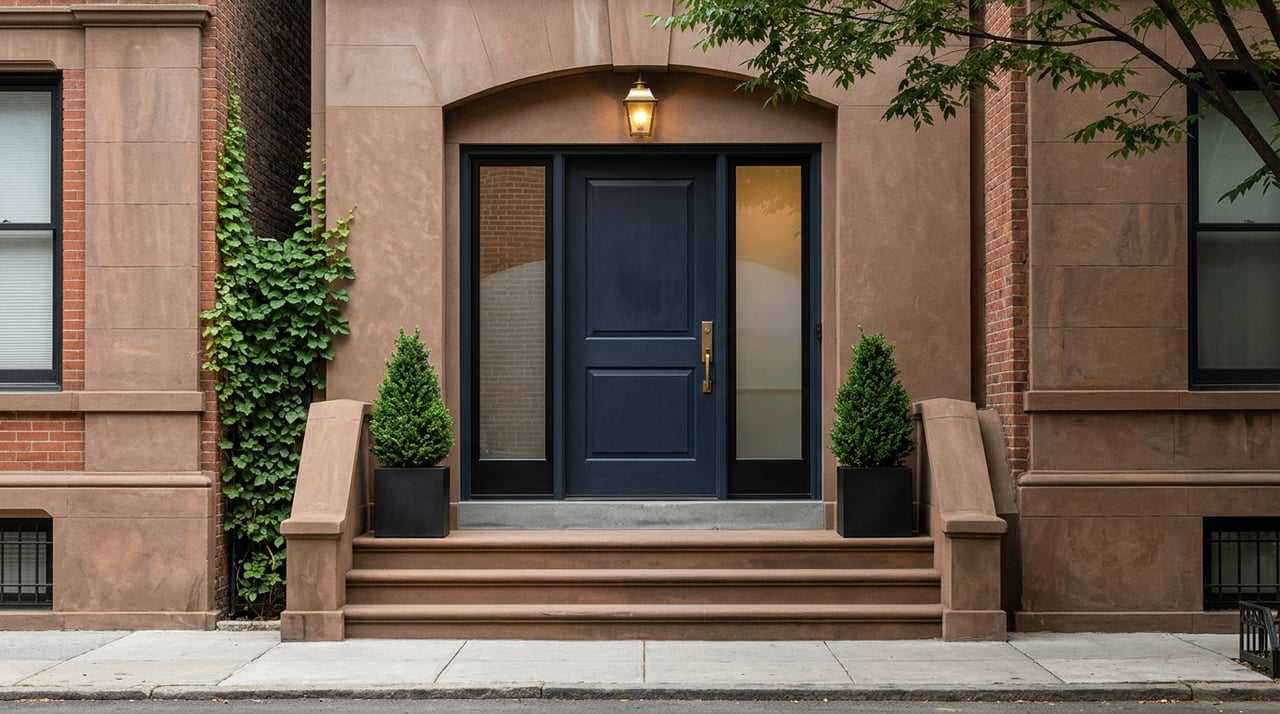
There is also a historic side to Manhattan luxury. Neighborhoods such as Greenwich Village are known for architectural and cultural significance, which can matter if you prefer a more established streetscape over a newer glass tower setting. In those areas, luxury may feel less like height and more like character, scale, and long-term architectural continuity.
What Manhattan often offers
- Full-service building environments
- High-rise living with city views
- Strong access to business and transit centers
- A fast-paced, central urban lifestyle
- Historic districts with protected streetscapes in select areas
Brooklyn luxury condo lifestyle
Brooklyn offers a broader mix of luxury settings. In one part of the borough, you may find historic brownstone blocks and lower-rise residential streets. In another, you may find waterfront towers, modern new development, and a denser urban environment near major transit connections.
That range is one of Brooklyn’s biggest strengths. Luxury here often falls into two broad categories: homes in neighborhood settings with historic character, and newer buildings in waterfront or transit-rich areas with contemporary amenities. For buyers who want a strong sense of place, Brooklyn can feel more personal and more tied to the identity of a specific neighborhood.
Brooklyn also tends to place more emphasis on outdoor access and public space in certain submarkets. Brooklyn Bridge Park, for example, stretches 1.3 miles along the waterfront and covers 85 acres, reinforcing the appeal of a lifestyle built around views, open air, and weekends spent close to the water. That can shape your choice just as much as the condo itself.
What Brooklyn often offers
- More neighborhood-specific living experiences
- Historic brownstone character in some areas
- Waterfront towers and modern new development in others
- Access to major public spaces and East River views
- A mix of urban energy and residential scale
Building style matters
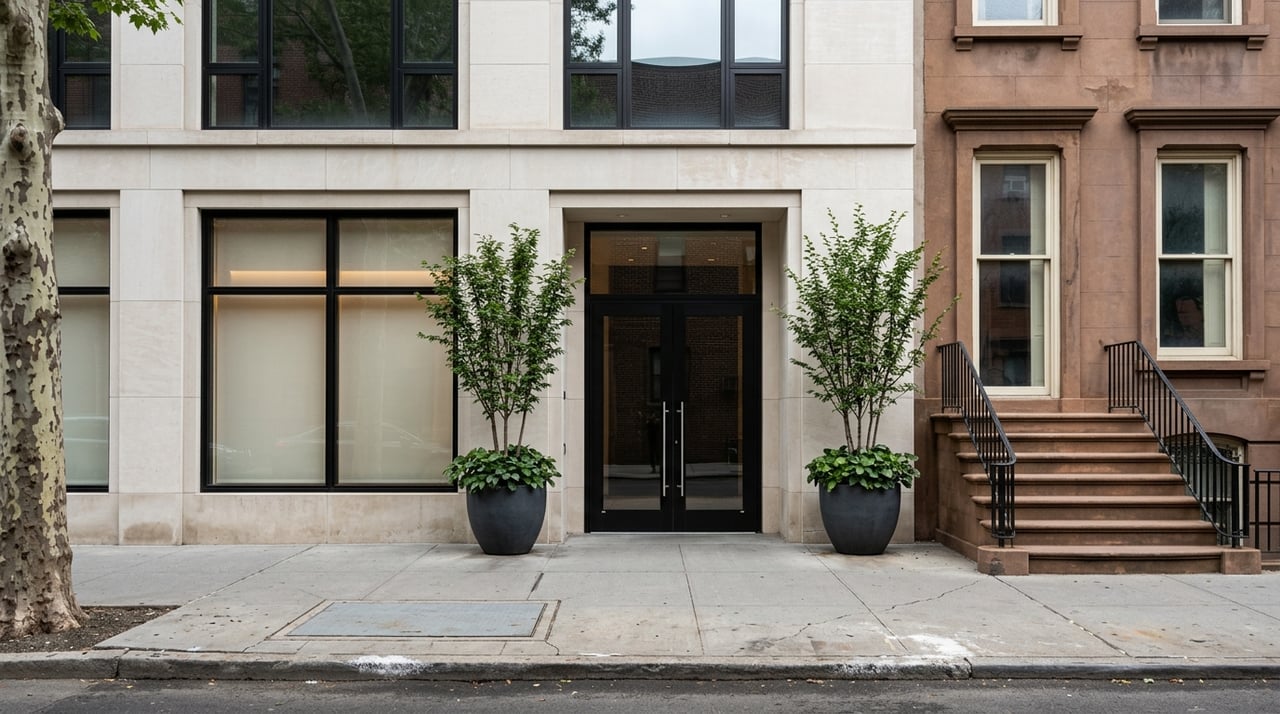
One of the clearest differences between Manhattan and Brooklyn is the kind of building experience you want. In Manhattan, luxury condos are often associated with tall towers, heavier service packages, and a more formal residential feel. That can be ideal if you want a turnkey building environment with staff and amenities built into daily life.
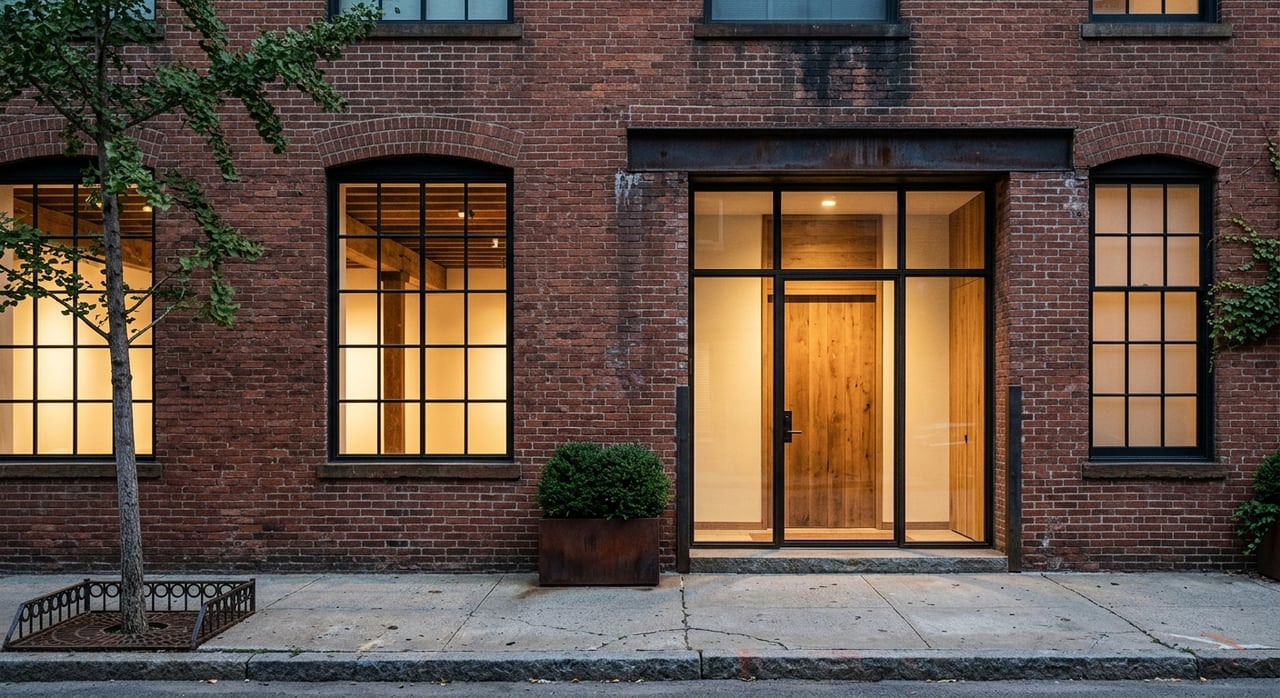
In Brooklyn, the housing fabric is more mixed. Areas like Bedford-Stuyvesant are known for three- and four-story brownstones, stoops, churches, and larger historic apartment buildings. Areas like DUMBO reflect a different Brooklyn story, where former industrial spaces evolved into residential and office use, creating a blend of old materials, modern conversions, and waterfront prestige.
If your priorities include architectural texture, lower-scale blocks, or a building that feels tied to a neighborhood’s history, Brooklyn may stand out. If you want a classic full-service condo tower experience, Manhattan may feel more aligned.
Compare daily living priorities
Choosing the right borough becomes easier when you focus on how you live, not just what you buy. A condo is part of your daily routine, so your decision should reflect the pace, setting, and access points that matter most to you.
Here is a simple way to frame the comparison:
Priority | Manhattan | Brooklyn |
|---|---|---|
Centrality | Strongest fit for being near major business, retail, and cultural hubs | Varies by neighborhood, with some areas offering quick access and others a more local feel |
Building style | Often high-rise, full-service, and amenity-rich | Broader mix of brownstone, conversion, and new tower living |
Lifestyle energy | Dense, fast-moving, highly connected | More neighborhood-defined, often more residential in feel |
Outdoor access | Present, but often secondary to centrality | Often a larger part of the lifestyle appeal in waterfront areas |
Historic character | Strong in preserved Manhattan districts | Strong in brownstone neighborhoods and converted industrial areas |
Commute and mobility considerations
If commuting ease is a top priority, Manhattan usually has the clearest built-in advantage. Major transportation hubs such as Penn Station and Grand Central shape the borough’s daily movement, and Moynihan Train Hall at Penn Station connects regional rail, subway, bus, and other systems in one major node. For buyers who want to reduce friction, that level of central connectivity can be hard to beat.
Brooklyn can still offer excellent commuting options, but the experience is more neighborhood-dependent. Buyers in Downtown Brooklyn, Brooklyn Heights, or DUMBO may find commuting to Manhattan straightforward, while buyers who prioritize a quieter residential block may accept a slightly longer trip in exchange for a different living environment. That tradeoff is often at the heart of the decision.
The East River connection also matters. NYC Ferry serves both boroughs, and the Manhattan Bridge provides direct transit, pedestrian, and bike links between Chinatown and Downtown Brooklyn. If you split time between boroughs often, those links can make Brooklyn feel very close while still offering a different home base.
Costs and carrying expectations
Luxury buyers should also think beyond the purchase price. In Manhattan, the service-heavy condo environment often comes with higher monthly carrying costs. The latest Manhattan market reporting shows condo common charges plus real estate taxes averaging $5,013, which is useful context when evaluating the cost of convenience, staffing, and amenities.
Brooklyn’s luxury market may offer a lower entry point in many cases, but it is not uniform. Premium submarkets, especially in prime waterfront or highly sought-after neighborhood locations, can command strong pricing as well. The more useful comparison is not simply which borough is cheaper, but which ownership experience delivers the best value for your priorities.
Historic districts and renovation limits
If you are drawn to historic architecture, landmark status is an important part of the buying conversation in both boroughs. New York City states that landmark designation protects architecturally, historically, and culturally significant buildings. In designated buildings or historic districts, exterior alterations generally require advance approval.
That can affect what you may be able to change in the future. If you are considering a condo in a preserved Manhattan neighborhood or in a Brooklyn brownstone district, it is smart to weigh how much flexibility you want around exterior work, updates, and long-term maintenance planning. For some buyers, that protection adds value. For others, it adds complexity.
Think long term about use
Your intended use should shape your borough decision as much as lifestyle. If the condo will be your primary residence, your commute, social patterns, and daily preferences may lead the choice. If it will function as a pied-a-terre or long-term hold, building operations, carrying costs, and location flexibility may carry more weight.
It is also important to understand New York City’s short-term rental rules. Entire homes or apartments generally must be used for permanent occupancy of 30 days or more, and stays under 30 days are limited to narrow host-sharing situations with registration requirements. For most luxury condo buyers, that means the property should be evaluated as a long-term home or long-term hold, not as a casual short-term rental play.
Which borough fits you best?
Manhattan is often the better fit if you want prestige, centrality, and a classic service-rich luxury condo experience. It works especially well for buyers who value immediate access to business districts, cultural institutions, dining, and regional transit. If you want the city to feel right outside your door at all times, Manhattan often delivers that most directly.
Brooklyn is often the better fit if you want neighborhood texture, historic character, or a luxury lifestyle that balances city access with a more rooted sense of place. It can be especially compelling if waterfront access, public space, or a less vertical residential environment matters to you. In Brooklyn, the right choice often comes down to selecting the right submarket, not just the borough itself.
The best decision usually comes from matching the condo to your real daily priorities. That includes how you move through the city, how much service you want from the building, how important historic character is to you, and what role the property will play in your broader plans.
If you are weighing Manhattan against Brooklyn for a luxury condo purchase, working with an advisor who understands both boroughs at a detailed level can make the process far more strategic. For tailored guidance on luxury condos, new development, and neighborhood-specific opportunities, connect with Gina Sabio.
FAQs
Which borough is better for a Manhattan work commute?
- Manhattan usually offers the most direct built-in transit advantage, while Brooklyn commute times depend more on the specific neighborhood and transit access.
Is Brooklyn just a less expensive version of Manhattan luxury?
- No. Brooklyn has its own luxury identity, with distinct submarkets that include brownstone neighborhoods, waterfront developments, and transit-rich urban centers.
What kind of luxury condo buildings are more common in Manhattan?
- Manhattan is more closely associated with high-rise, full-service condo buildings and a service-forward ownership experience.
What kind of luxury setting can Brooklyn offer condo buyers?
- Brooklyn can offer historic neighborhood character, converted industrial waterfront living, and modern towers, depending on the submarket.
Do landmark rules matter when buying a luxury condo in Manhattan or Brooklyn?
- Yes. In designated buildings or historic districts, exterior changes generally require advance approval, which can affect future renovation plans.
Can you use a New York City luxury condo as a short-term rental?
- In most cases, no. Entire homes or apartments generally must be used for permanent occupancy of 30 days or more, with only limited exceptions for host-sharing situations.
Should you choose between Manhattan and Brooklyn based only on price?
- No. The stronger approach is to compare centrality, building style, neighborhood feel, commute needs, carrying costs, and long-term use.