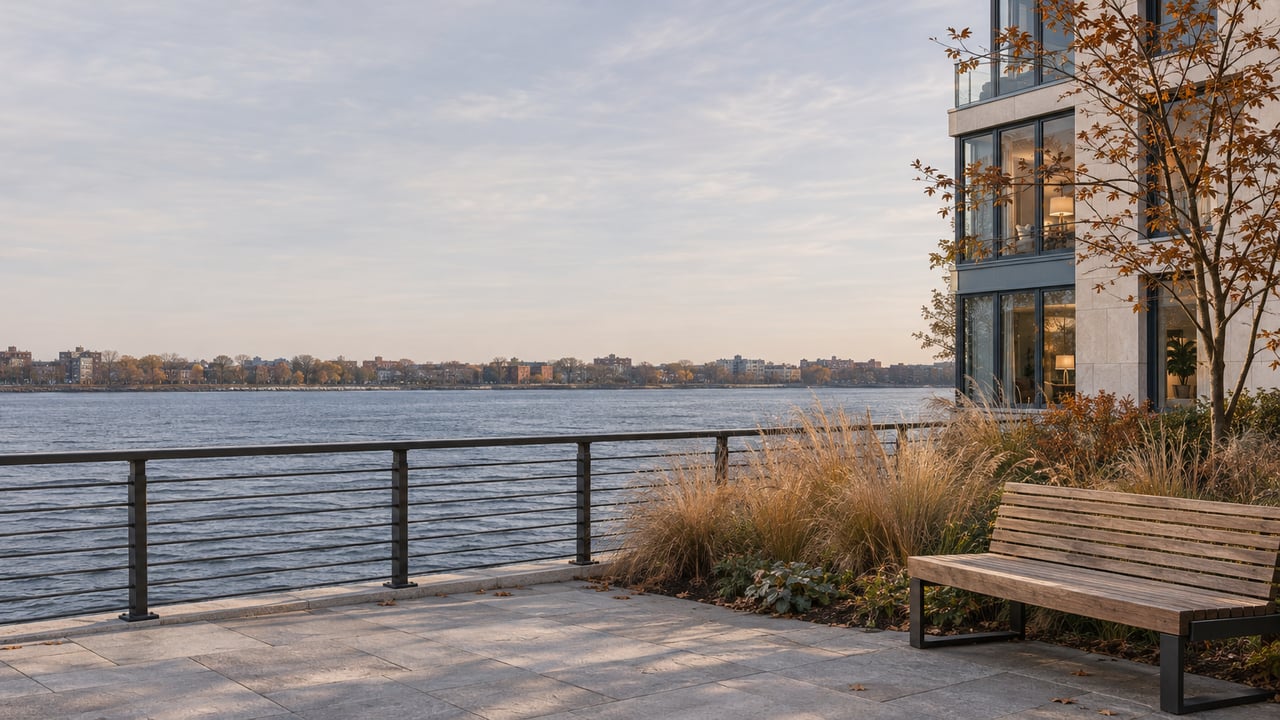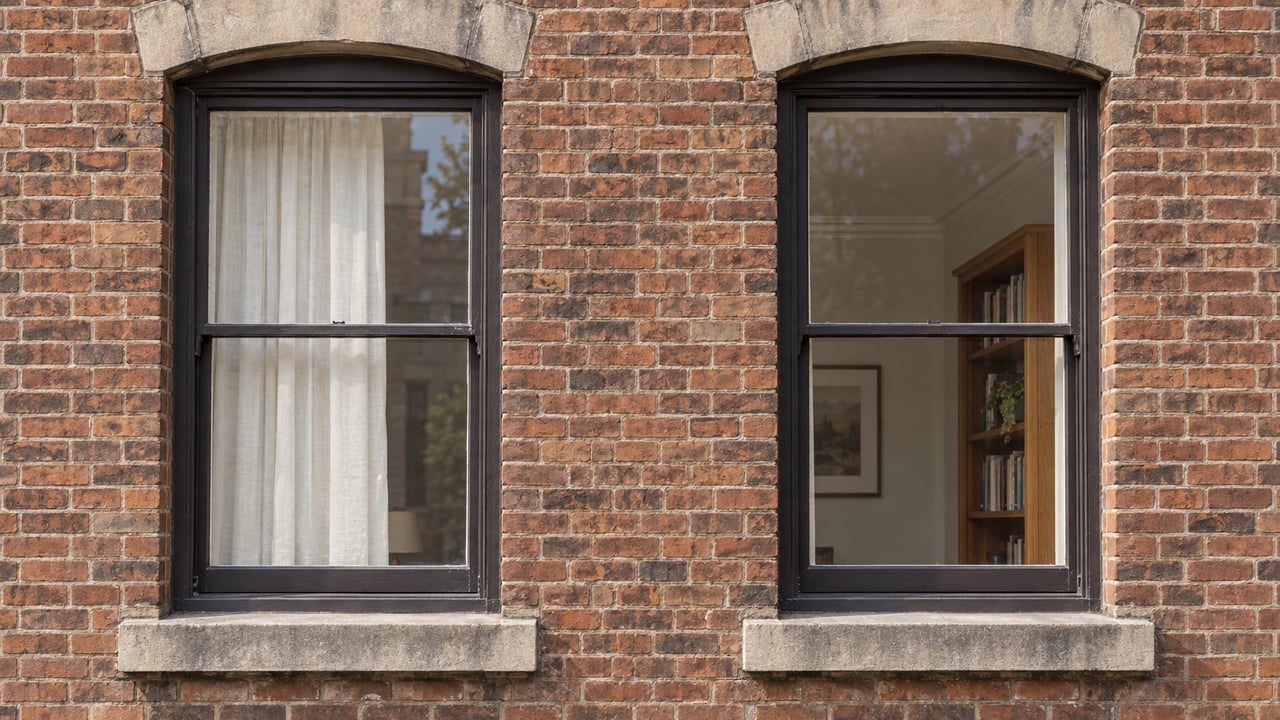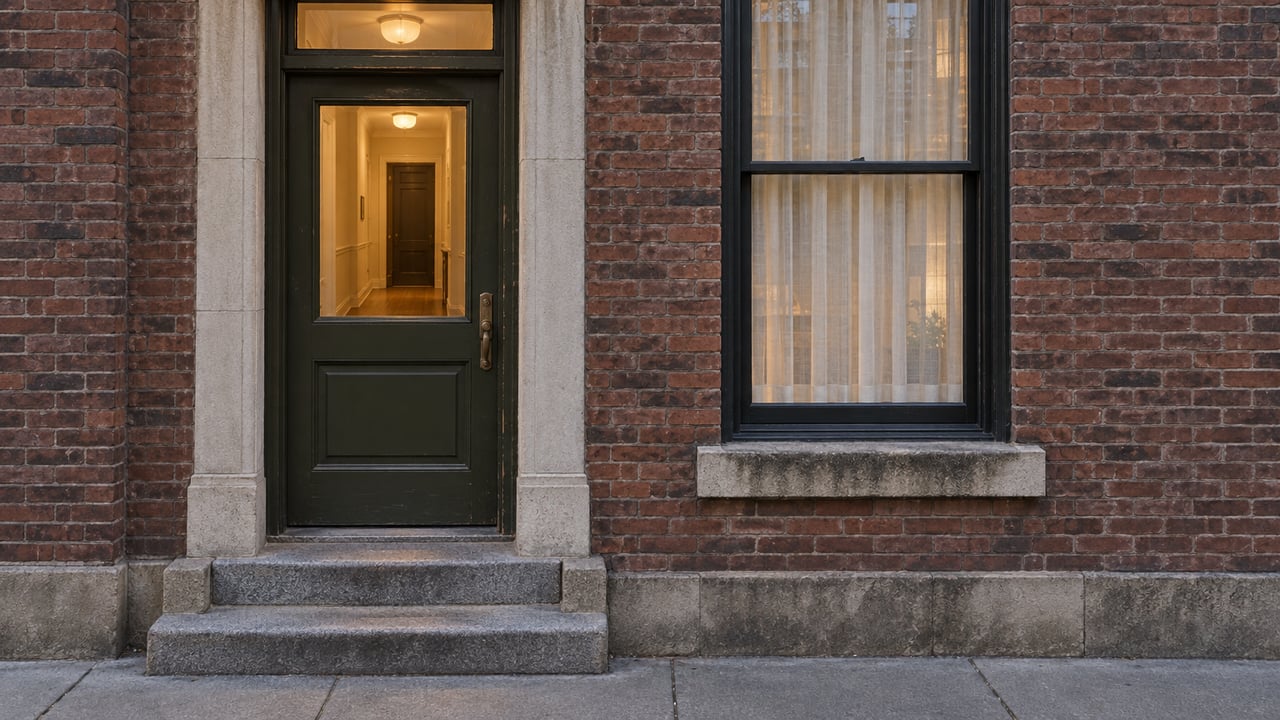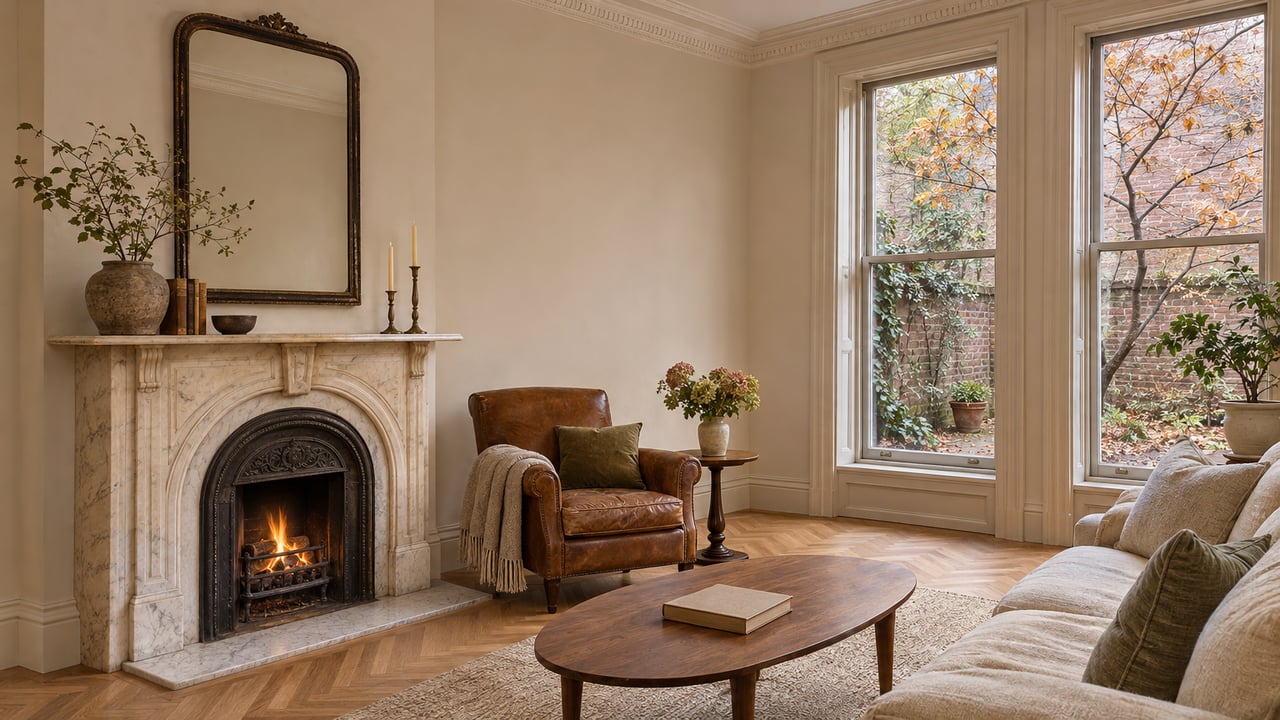
In April, a four-story house at 683 10th Street in Park Slope came on the market at $8.8 million. It is a two-family on a double-wide lot, with a private driveway, a two-car garage, an upper triplex over a two-bedroom garden unit, and original mantels, parquet floors and pocket shutters. The Real Deal reported that the house had not been extensively renovated. It took a small price cut in May, and it went into contract a little more than two weeks after the ask dropped to $5.8 million.
The closing is the useful part. Traded records the sale on September 23, 2026 at $5.85 million, or $1,365 a square foot. That is $50,000 more than the final ask. A house that spent three months looking overpriced ended up drawing a price above its own reduced listing. The demand was there the whole time. It was waiting at a number about $3 million below where the house started.
That one sale explains most of how Park Slope townhouses have traded in 2026. Buyers have been setting the price, and the ask decided how long it took them to get there.
The houses that started below the market
The sales that made the most noise this year went in the opposite direction from 10th Street, and the gaps were of similar size.
Brownstoner's six-month follow-ups on its featured listings tell the story house by house. 54 Berkeley Place, an 1870s row house set up as a triplex with a top-floor rental, sold in June for $3.925 million, $875,000 over its $3.05 million ask. At 593 4th Street, a single-family limestone from a row first advertised in 1908, with its plasterwork, mantels, wainscoting and pier mirror largely intact, the house sold in July for $4.85 million, $550,000 over its $4.3 million ask. A few doors away, 577 4th Street, a limestone that was once home to a Brooklyn borough president, sold in July for $4.957 million, $457,000 over its $4.5 million ask.
As percentages, Berkeley Place closed about 29% above its ask, 593 4th Street about 13% above, and 577 4th Street about 10% above. On the other side, 683 10th Street closed about 34% below where it was first listed. In each case the ask missed the eventual price by hundreds of thousands of dollars or more. The asks that missed low turned into bidding contests. The ask that missed high turned into a wait.
A fourth sale shows a house priced where buyers already were. Mansion Global reported in August that a 20-foot-wide two-family Park Slope brownstone sold for its full $7.15 million ask in less than a week. It had an owner's five-bedroom triplex over a one-bedroom lower-level apartment, with period details retained. That deal produced no bidding war and no price cut. It settled at the asking price within days.
Why the gap above ask is the market's real signal
A buyer looking at those over-ask numbers might read them as a market running hot across the board. The 10th Street closing argues against that. If Park Slope were simply overheated, an $8.8 million ask on a large house with a garage would have found a taker. It found one only at $5.85 million.
The more accurate reading is that this market prices houses one at a time and does it precisely. Buyers this year appear to have had a firm idea of what a given house was worth, shaped by width, condition, layout and block. The final prices clustered around that idea whatever the starting number was. Houses listed below that level were bid up, the one listed above it waited until its price came down, and the one listed right at it sold within days at full price.
A fifth house adds one more outcome. 531 1st Street, listed at $7.5 million, was taken off the market in July, according to Brownstoner. Owners who do not need to sell can keep the house rather than bring the ask down to the bids, and that is a sound choice for some families. It also means the 2026 sold record leaves out the asks that never found a buyer.
This fall, the ask and the price are converging
Most of the deals above were negotiated in spring and early summer, and even the 10th Street contract was signed in July. They show how the year developed, not where it stands on publication day. The contracts signed since Labor Day carry the current read, and they point to sellers who have absorbed the year's lesson.
- 8 Polhemus Place: In The Real Deal's roundup for August 31 to September 6, this house went into contract asking $6 million after barely a week on the market. It has 3,800 square feet, renovated upper floors and original details.
- 34 Park Place: This house led Brooklyn's luxury contracts for September 30 to October 4, also asking $6 million. It is a renovated 3,600-square-foot house with a garden-level one-bedroom that opens to the yard.
- 870 President Street: This 30-foot-wide brownstone with original 1888 details went into contract asking $8 million during the week of October 12 to 18.
The same October report gives the context for that week. Brooklyn had 25 contracts on homes asking at least $2 million, more than $100 million in total contract volume, an average of 49 days on the market, and an average discount from ask of zero. A zero average discount at that volume suggests asks across the upper end of the borough now sit very close to where buyers will meet them. Polhemus Place went into contract after barely a week on the market, a pace that fits an ask set at the market rather than above it.
Supply keeps each house's price individual
Park Slope's townhouse supply largely cannot grow. The Landmarks Preservation Commission designated the Park Slope Historic District Extension on April 17, 2012, adding about 600 buildings to the protected brownstone and limestone rows near Prospect Park. The stock is essentially fixed, and the houses are not interchangeable. A 30-foot President Street brownstone and a 4th Street limestone with intact 1908 interiors are different products, even though both are called townhouses.
Borough-wide, the supply of houses is also shrinking. Brick Underground, summarizing Q3 2026 data, reported that Brooklyn house inventory fell 17.3% year over year in the third quarter, while the median house sale price rose just 1.1% to $1.699 million and signed contracts rose 8%. Fewer houses, more contracts and a nearly flat median make up the pattern Park Slope showed this year. Buyers are active and paying fully for the right house, but they are not lifting every price across the board. A borough median moving 1.1% while individual Park Slope houses close 10% to 29% over ask shows how little a single headline number says about one specific house.
What this means if you are buying or selling a townhouse this winter
For a buyer, the asking price is the seller's opening statement, not an estimate of value. The 2026 record shows houses closing well above and well below their first asks. The comparison that matters is the recent closings of similar houses on similar blocks, adjusted for width, condition and layout. A house that looks underpriced against those closings is probably meant to draw competing offers, and Berkeley Place and the two 4th Street limestones show how far that can go. A house that looks overpriced against them may come back at a different number, as 10th Street did between April and July.
For a seller, the main cost of an ambitious ask is time, and in this market time can be more expensive than a number. Polhemus Place and the $7.15 million brownstone found buyers within about a week. The 10th Street house needed most of a spring and two price cuts to reach a number that buyers then met immediately, and slightly exceeded. A seller who sets the ask with this year's closings in hand is choosing which outcome to invite: competing offers, a quick sale at full price, or a wait.
Both sides are working from the same short list of comparable sales. In a neighborhood where a strong year may bring only a hundred or so townhouse sales, and each house differs in width, layout and how much original detail survives, reading those comparables correctly is where most of the value in a deal is decided.
A few questions buyers ask
Are Park Slope townhouses still selling over ask this fall? The clearest recent data is the October 12 to 18 week, when Brooklyn's contracts asking $2 million or more averaged no discount from ask, according to The Real Deal. This fall's Park Slope contracts have been reported at their asking prices, and the over-ask figures cited here come from closings in June and July.
Does a price cut mean a house is a bargain? Not necessarily. After its cuts, 683 10th Street closed $50,000 above its final ask. The cut brought the price down to the market, and buyers then paid the market price.
How quickly do well-priced Park Slope townhouses go into contract? In 2026 some went into contract within about a week, including 8 Polhemus Place and the $7.15 million two-family brownstone Mansion Global reported in August.
Pricing a Park Slope townhouse, whether you are writing the offer or setting the ask, comes down to reading a few comparable closings correctly and knowing which of this year's outcomes your number will invite. If you are weighing a purchase or a sale on these blocks this winter, Gina Sabio will go through the recent closings with you house by house and help you set a number with that in mind. Let's Connect.