Choosing between a townhouse and a condo in Brooklyn is not just about square footage. It is about how you want to live day to day, how much responsibility you want to take on, and what kind of ownership experience feels right for you. If you are weighing privacy, amenities, outdoor space, and long-term maintenance, this guide will help you compare both options with Brooklyn’s market and housing patterns in mind. Let’s dive in.
Brooklyn Housing Patterns Matter
In Brooklyn, the townhouse-versus-condo decision often starts with location. Some areas are known for row houses and brownstones, while others have seen more recent growth in newer, amenity-focused buildings.
According to StreetEasy’s Brooklyn market reporting, the borough’s median asking price was $1.098 million in September 2025, with 494 homes entering contract and a median of 64 days on market for homes going into contract. The same reporting also noted that in January 2026, $1M+ condos accounted for 60.2% of condo contracts in Brooklyn, showing continued strength in the higher-end condo segment.
If you are drawn to a classic Brooklyn streetscape, neighborhoods such as Park Slope, Carroll Gardens, Fort Greene, Bedford-Stuyvesant, and Bushwick are especially associated with row houses and brownstones, based on NYC Landmarks Preservation Commission materials. If you are more interested in newer building stock and amenity-driven living, Downtown Brooklyn, Williamsburg/Greenpoint, Gowanus, Boerum Hill, Crown Heights, and nearby development pockets are worth a closer look.
What You Actually Own
Condo Ownership Basics
When you buy a condo, you own your individual unit plus an undivided interest in the building’s common elements. That means your ownership includes both private space and shared responsibility for parts of the property such as hallways, building systems, and other common areas.
The New York Attorney General’s condominium guidance also makes clear that condo ownership comes with governance documents and financial review. You should expect to examine the offering plan, board minutes, financial reports, and building rules before you buy.
Townhouse Ownership Basics
A townhouse can feel more straightforward because you are often buying the whole structure. In many cases, that means more direct control over the property and fewer shared decisions with neighbors.
That said, townhouse ownership is not always simple. In historic districts, exterior work may require approval under the LPC rowhouse rules, and NYC homeowner guidance requires owners to keep properties safe, properly maintained, and used as legal residential space.
Why the Fine Print Matters
Not every townhouse-style property is a fully independent house. Some townhouse-style developments are still legally condos, which means shared roads, sidewalks, drainage systems, or retaining walls may still be governed by the offering plan.
That distinction matters because the home may look private while the legal structure still creates shared obligations. Before you commit, you want to understand exactly what is deeded to you and what remains shared.
Lifestyle Differences to Think Through
Privacy and Daily Control
If privacy is high on your list, a traditional townhouse often has the edge. You are more likely to have fewer shared walls, your own entry, and more say over the rhythm of daily life.
A condo usually involves more shared spaces and greater reliance on a board or managing agent. That can work very well if you prefer a more structured ownership experience, but it may feel less flexible if you want full control over how the property is run.
Maintenance and Upkeep
For many buyers, maintenance is the biggest dividing line. Condo living usually means shared building costs, formal budgets, and repair decisions handled through board governance and management.
A townhouse usually puts more responsibility directly on you. That can be appealing if you like autonomy, but it often means more contractor coordination, more budgeting for repairs, and greater awareness of building rules and code issues.
Outdoor Space
Outdoor space can be one of Brooklyn’s biggest lifestyle differentiators. Townhouses are more likely to include private stoops, gardens, or front yards, which can be a major advantage if you want more personal outdoor use.
Still, you should never assume outdoor space is exclusively yours just because it looks that way. NYC planning materials for Carroll Gardens highlight the neighborhood’s distinctive deep front yards, and the legal documents determine whether a space is private, limited-use, or shared.
Amenities and Convenience
If your ideal home includes an elevator, shared recreation space, or a more lock-and-leave routine, a condo may be the better fit. Amenity expectations in Brooklyn tend to lean toward newer condo product, especially in areas with more recent development activity.
StreetEasy also noted new Downtown Brooklyn rental inventory with lifestyle-driven amenities, which can reflect the broader building patterns seen in newer development corridors. Just remember that amenities are only guaranteed if they are specifically described in the offering plan.
Brooklyn Neighborhood Fit
Where Townhouse Living Stands Out
If you want a more house-like experience, Brooklyn has several neighborhoods where rowhouse character is especially visible. Park Slope, Carroll Gardens, Fort Greene, Bedford-Stuyvesant, and Bushwick are among the strongest examples cited in city materials.
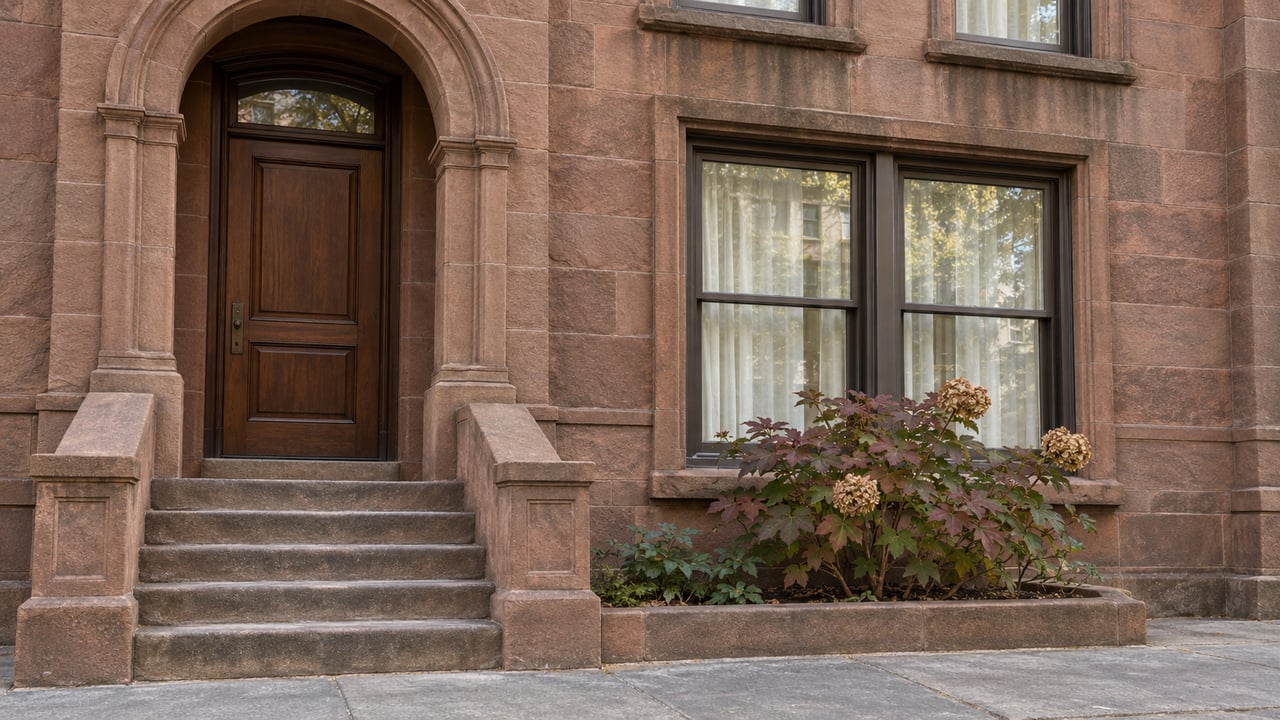
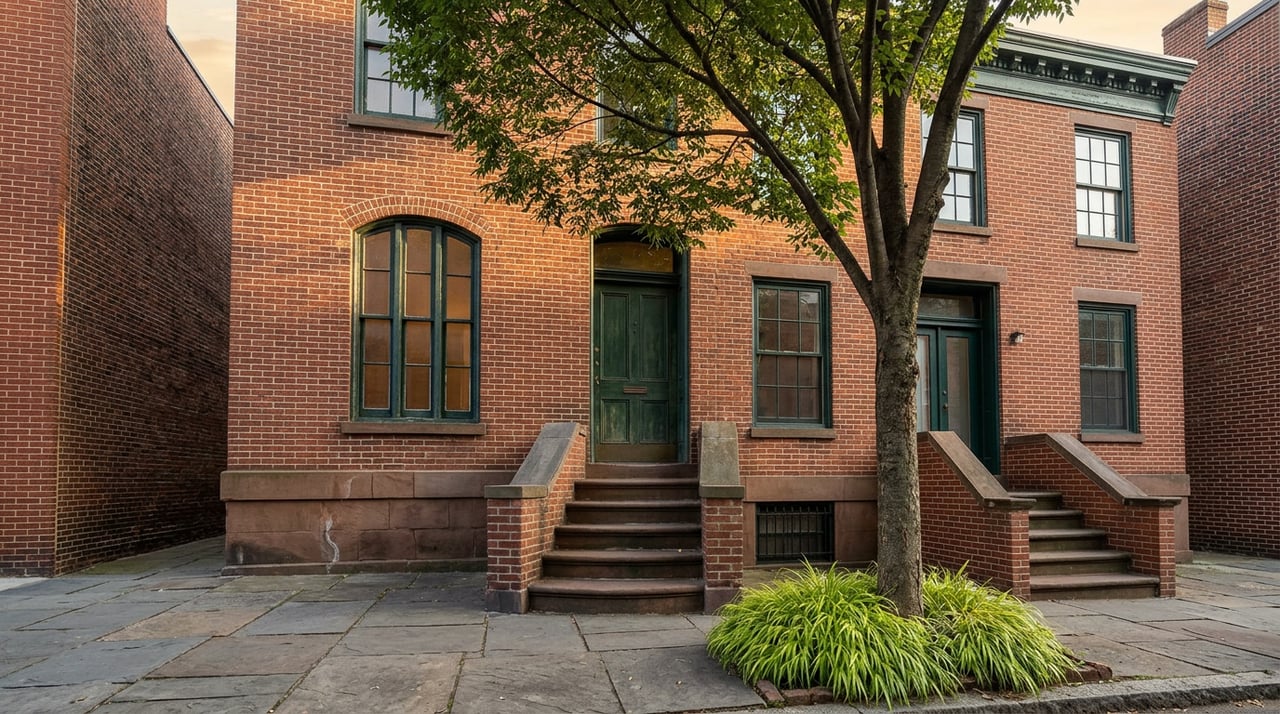
In these areas, the appeal often comes from the physical form of the housing itself. You may find stoops, low-rise blocks, brownstone facades, and in some places deeper front-yard setbacks that create a more traditional residential feel.
Where Condo Living Is More Common
If you are looking for newer buildings, more elevators, or amenity-forward living, Downtown Brooklyn and Williamsburg/Greenpoint are natural starting points. Gowanus, Boerum Hill, Fort Greene, Crown Heights, and Greenpoint have also seen notable new supply patterns tied to newer building stock.
That does not mean every property in those areas is a condo, but it does make them useful places to focus your search if convenience and building services rank high on your list.
Financial Questions to Ask Before You Buy
Property Tax Class
If you are comparing a one- to three-family townhouse with a condo, tax class can affect the overall ownership picture. NYC Finance guidance states that most one- to three-family homes fall into Class 1, while larger condos are generally Class 2.
That difference matters because assessment rules and potential tax treatment are not the same. It is one more reason to compare the full ownership cost, not just the purchase price.
Condo Tax Abatement
Some eligible condo and co-op developments may receive the city’s cooperative and condominium tax abatement. However, the application is handled by the board or managing agent, not the individual owner.
If tax abatement is important to your numbers, confirm whether the building qualifies and whether the benefit is currently in place. It is a detail worth verifying early.
Shared Charges vs. Direct Expenses
With a condo, you will likely pay common charges based on your common interest in the building. The Attorney General also notes that unpaid common charges can become a lien issue, which underscores why financial review matters before closing.
With a townhouse, you may avoid monthly common charges, but you are usually taking on more direct responsibility for the roof, facade, systems, and exterior maintenance. In practice, you are choosing between shared monthly costs and more self-managed property expenses.
Questions to Ask Yourself
If you are still deciding, these questions can help clarify which path fits your lifestyle better:
- Do you want a lower-maintenance home with shared services and building oversight?
- Do you want more privacy, direct control, and a house-like feel?
- Is private outdoor space a top priority?
- Would you rather budget for monthly common charges or manage more repairs on your own?
- Do you want a historic rowhouse setting or a newer building with modern amenities?
There is no one-size-fits-all answer in Brooklyn. The right choice depends on how you want to live, how hands-on you want to be, and which tradeoffs feel worthwhile to you.
One More Factor: Rental Flexibility
Some buyers assume a townhouse gives them much more short-term rental freedom, but that is not the case in New York City. According to NYC homeowner resources, entire homes or apartments cannot be rented for fewer than 30 days unless the host remains in the unit and there are no more than two guests.
That means short-term income plans should be reviewed carefully whether you are buying a townhouse or a condo. The property type alone does not create an automatic exception.
How to Make the Right Brooklyn Choice
A townhouse often suits you best if you want privacy, more direct control, and a more traditional house experience. A condo often suits you best if you want easier day-to-day maintenance, building services, and a more streamlined lock-and-leave lifestyle.
In Brooklyn, the best decision is usually the one that matches both your daily routine and the legal realities of the property. If you look closely at ownership structure, maintenance obligations, neighborhood housing patterns, and long-term costs, you can make a smarter and more confident move.
Whether you are comparing a brownstone in a classic rowhouse block or a newer condo in an amenity-rich building, working with an advisor who understands Brooklyn’s property nuances can make the process much clearer. If you are considering a Brooklyn townhouse or condo and want thoughtful guidance tailored to your goals, connect with Gina Sabio.
FAQs
What is the main lifestyle difference between a Brooklyn townhouse and a Brooklyn condo?
- A townhouse usually offers more privacy and direct control, while a condo usually offers more shared services, common spaces, and board-managed upkeep.
What Brooklyn neighborhoods are most associated with townhouse living?
- City materials highlight Park Slope, Carroll Gardens, Fort Greene, Bedford-Stuyvesant, and Bushwick as strong examples of Brooklyn rowhouse and brownstone character.
What Brooklyn areas are good places to start a condo search?
- Downtown Brooklyn, Williamsburg/Greenpoint, Gowanus, Boerum Hill, Crown Heights, Fort Greene, and Greenpoint are useful areas to explore if you want newer building stock and more amenity-driven living.
What should you review before buying a Brooklyn condo?
- You should review the offering plan, board minutes, financial reports, house rules, and any details about amenities or common charges.
Does a Brooklyn townhouse always include private outdoor space?
- No. A townhouse may be more likely to have outdoor space, but you should confirm through the deed or offering plan whether that space is private, limited-use, or shared.
Can you use a Brooklyn townhouse or condo as a short-term rental?
- NYC rules generally prohibit renting an entire home or apartment for fewer than 30 days unless the host stays in the unit with no more than two guests.